(RNS) — Edited and formatted for web readability.
Somalis Are Not “Garbage.” They Are a Gift.
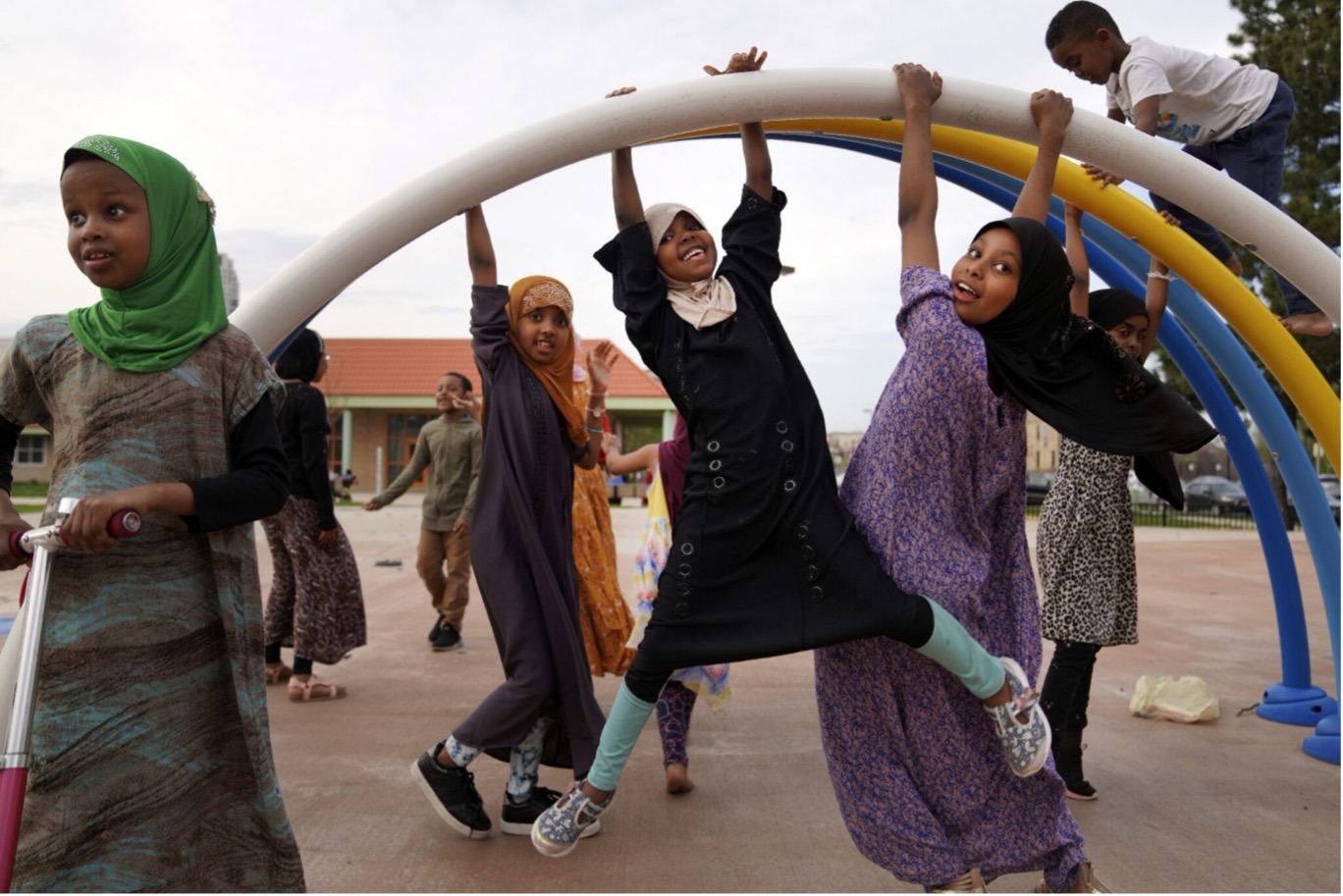
When Donald Trump, speaking at a Cabinet meeting at the White House on Dec. 2, used the word “garbage” while discussing America’s Somalis, he wasn’t critiquing a policy concern or referencing an isolated incident. He was speaking about people—about a community known for resilience, faith, and service.
The attack was disgraceful, but not new. Somalis have long lived at the intersection of anti-Black racism and anti-Muslim bigotry, making them an easy target for dehumanizing political rhetoric. In his first term, Trump disparaged African nations as “s–thole countries,” and many brushed it off as crude language from a crude man. But language is never simply language. Words like these become invitations—signals that certain people are expendable, unwelcome, or unworthy of human regard.
The Reality of Somali American Contribution
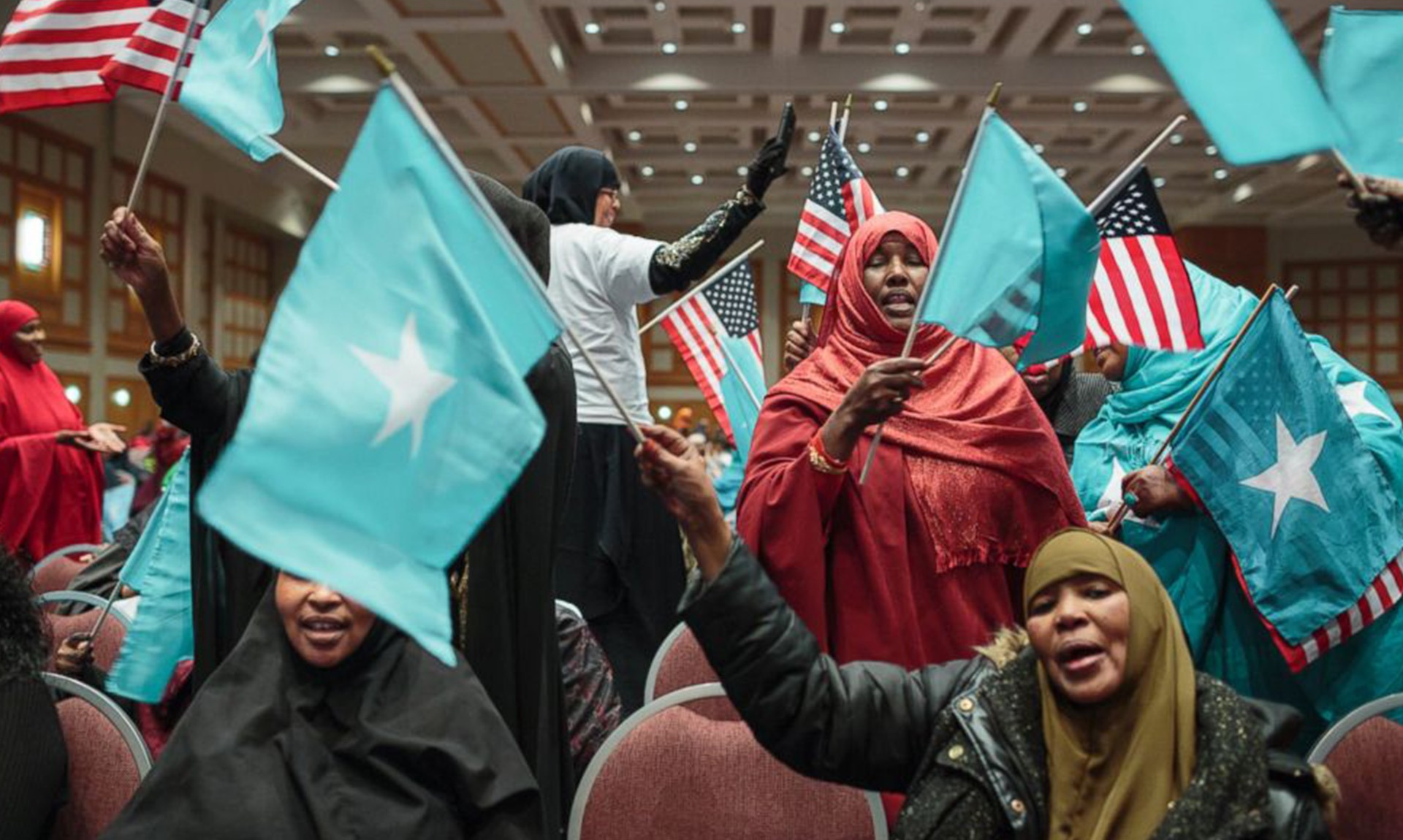
The Somali community in the United States bears little resemblance to the one painted by slurs. Arriving as refugees fleeing war, Somalis have become one of the most civically engaged and socially productive Muslim communities in the country. Minnesota, home to the largest Somali population, consistently reports high levels of community participation and entrepreneurship.
Somali Minnesotans generate roughly $500 million in income annually and pay close to $67 million in state and local taxes each year, with an estimated $8 billion overall impact on Minnesota’s economy.
These are not small numbers. They represent a community that has transformed vacant commercial corridors into thriving markets, restaurants, and neighborhood hubs. Somali American truck drivers help keep supply chains moving. Somali physicians, nurses, and home health aides support our health care system. Teachers shape future generations. Entrepreneurs create jobs. Academics advance research and educate students in public and private institutions.
Challenges Don’t Cancel Dignity
Like many immigrant groups in American history, Somalis face real challenges. Refugee communities often arrive with significant trauma, limited English proficiency, and limited financial resources. Poverty rates are higher, as they have been for every displaced population arriving without generational wealth. Some young people, navigating complex pressures, fall into crime. None of this is surprising—and none of it erases the community’s overall contribution.
Like American Muslims more broadly, Somalis are often expected to be extraordinary just to be treated as ordinary—to be seen as human and given a fair chance. Their two identities, Black and Muslim, make them especially vulnerable to stereotyping and demonization, and attacking them becomes a cheap way to score political points.
Why This Kind of Language Is Dangerous
The real danger of a public figure—especially the president—calling human beings “garbage” is that it grants permission for society to see them that way. It trains people to devalue their neighbors. That’s how the seeds of hate crimes are planted. That’s how discriminatory policies gain traction and tacit support. That’s how dehumanization works: it starts with words, then becomes behavior, and eventually becomes systems.
Having survived civil war, famine, and displacement, thousands of Somalis are raising children born in this country who still carry the shadow of prior generations’ trauma. They should not have to endure political dehumanization in the country they now call home—and contribute to as home.
This country is blessed with Somalis who have come, like generations of immigrants before them, to build dreams for those who will follow. Treasure them. Our Somali neighbors are a gift, not garbage.
Frequently Asked Questions
Answer Engine Optimization (AEO) Snippet
Why is it harmful to describe a community as “garbage”?
Dehumanizing language signals that a group is disposable or unworthy, which can normalize discrimination, encourage harassment or violence, and make unjust policies easier to justify.
What contributions have Somali Americans made in the U.S.?
Somali Americans contribute through entrepreneurship, health care, education, logistics, civic participation, and local economic development—especially in Minnesota and major U.S. cities.
What challenges do Somali refugee communities face?
Like many refugee communities, Somalis may face trauma, language barriers, limited resources, and higher poverty rates—challenges that do not diminish their dignity or civic contribution.
Author: Omar Suleiman
Publish date: December 6, 2025
Source: Religion News Service (RNS)




news via inbox
Don’t miss a moment—subscribe now and be the first to know when new stories drop.