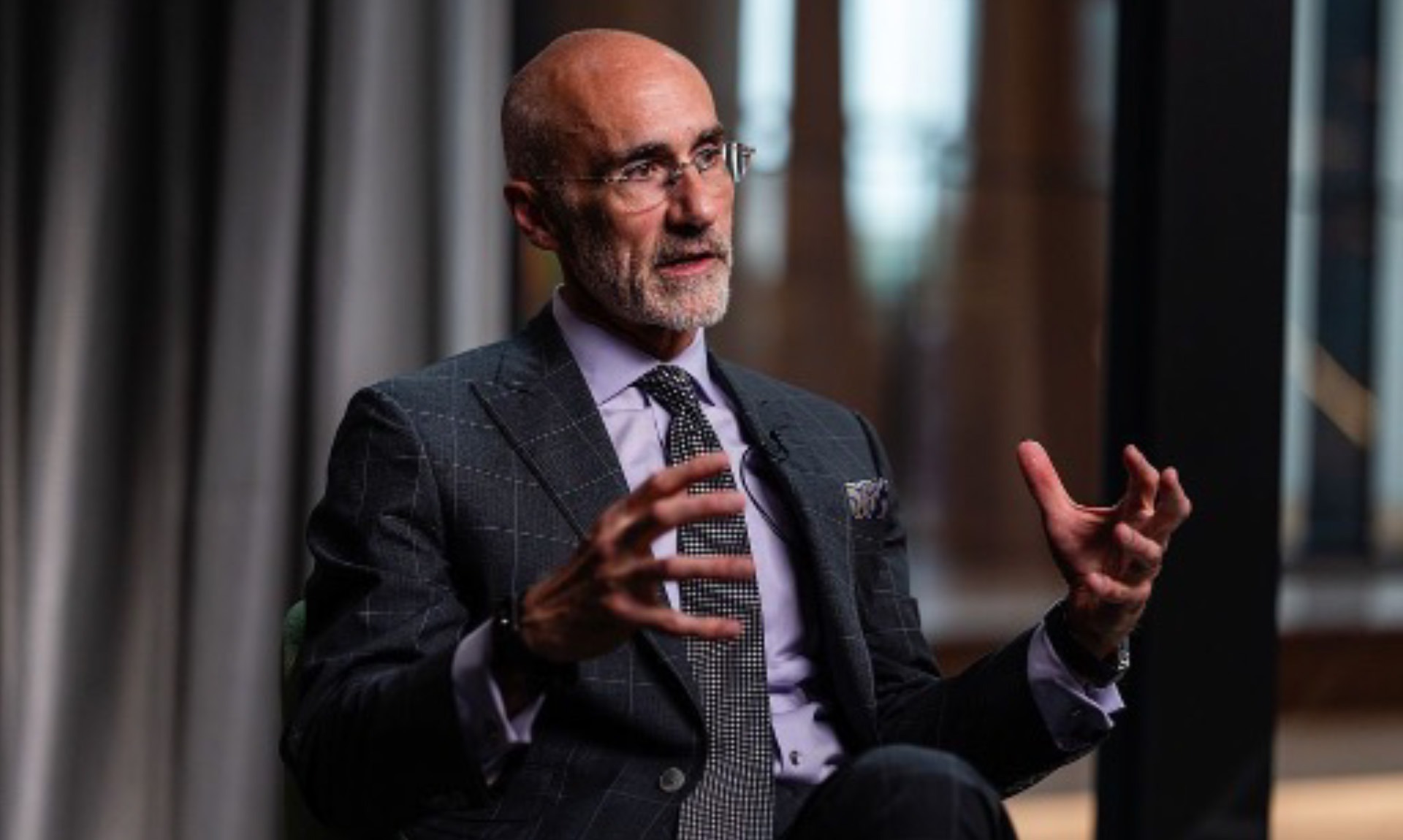
A trusted adult for youth can strengthen mental well-being by listening without judgment, remaining consistent, and helping a young person feel seen and supported.
Story written and provided by Cincinnati Children’s.
Why a Trusted Adult for Youth Matters
Mental well-being is an urgent priority for our community, especially for young people as they navigate a rapidly changing world filled with academic pressure, social media and limited safe spaces in communities. One of the simplest and most powerful protective factors for supporting a young person’s mental well-being remains consistent over time: the presence of a trusted adult.
What Supportive Adults Do Consistently
A trusted adult is not always a parent or someone who lives with the youth. A trusted adult might be a teacher, coach, neighbor or mentor—someone who listens without judgment and shows up consistently. For young people, such a relationship can be transformative. It offers a safe space to express fears, ask questions and process complex emotions that might otherwise remain bottled up.
Research and lived experiences alike highlight that even one stable, caring adult relationship can significantly buffer the effects of stress, trauma and isolation. This relationship can foster confidence, improve academic outcomes, reduce risk-taking behaviors and build resilience. Importantly, this connection doesn’t require perfection but rather that the adult be present, empathetic and reliable.
How Young People Can Identify Someone They Trust
Schools, families and organizations can support young people and improve their mental well-being by intentionally creating opportunities for positive relationships to form. Parents, caregivers and other adults can do this by listening to young people, asking questions and learning from them. In turn, it is important that we understand that young people want trusted adults in their lives who care for and prioritize them, ensure their safety, support their goals, challenge them to reach their potential, can be vulnerable and are accountable when they’ve made mistakes. Trust is earned and built when young people feel seen, heard and valued. A caring adult can make all the difference!
Building Stronger Youth Support Networks
“The youth in our community deserve adults who see them and believe in them,” says Cincinnati Children’s pediatric psychologist Steph Weber, PsyD. “Adults need to show up consistently, because we know these connections can shape a lifetime of confidence and resilience. I am excited about the work happening across our area to build communities where no young person grows up without someone they can trust.”
For more information about being a trusted adult, visit the National Alliance on Mental Illness.
Related UMI coverage: churches working to reconnect with young people and the wider mental-health crisis in Black communities.
A trusted adult for youth does not need perfect answers; the relationship is built through attention, accountability, safety and dependable care.
Source: The Voice of Black Cincinnati. Image credit: Adobe Stock.







news via inbox
Don’t miss a moment—subscribe now and be the first to know when new stories drop.