Partners, Not Projects | Article 3
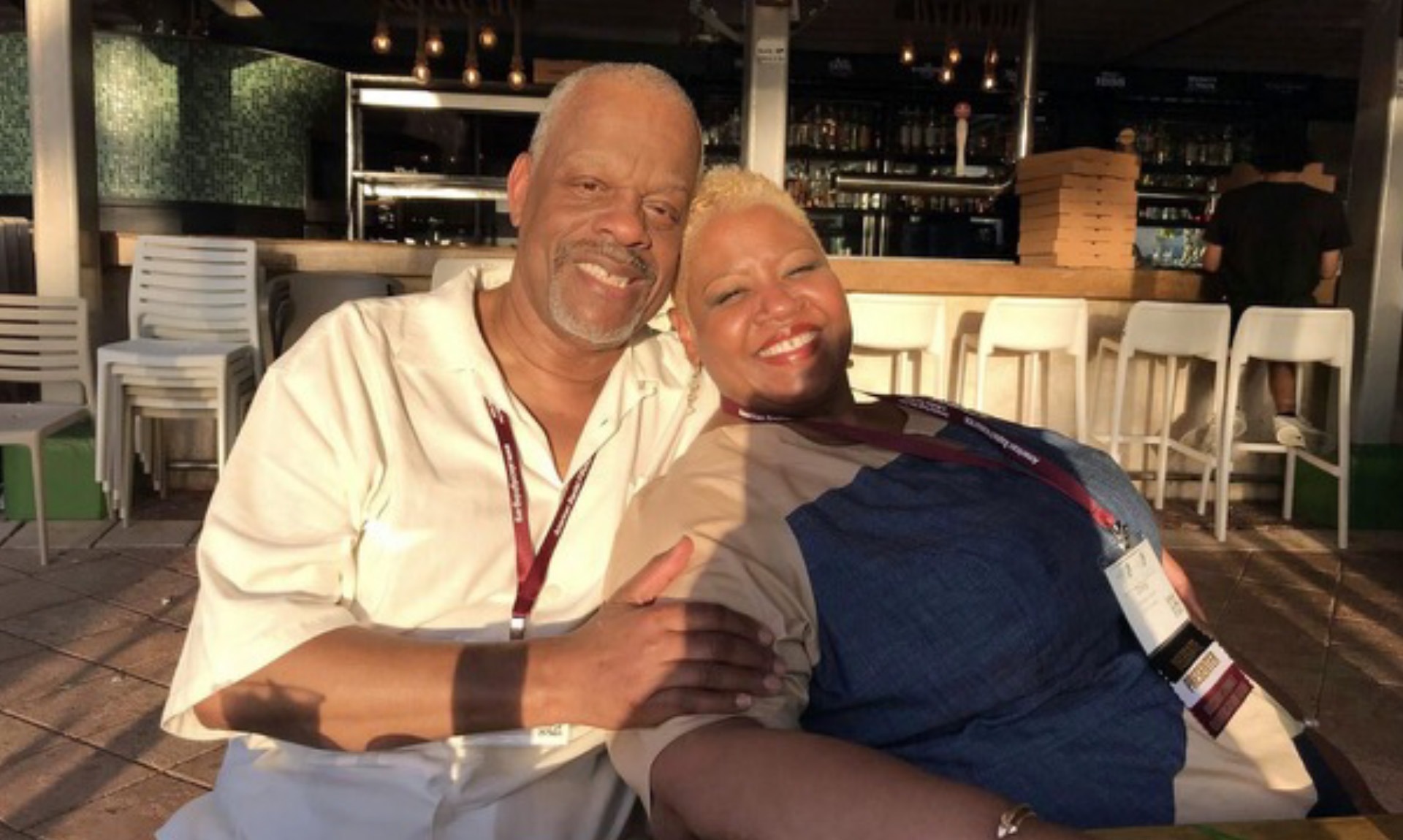
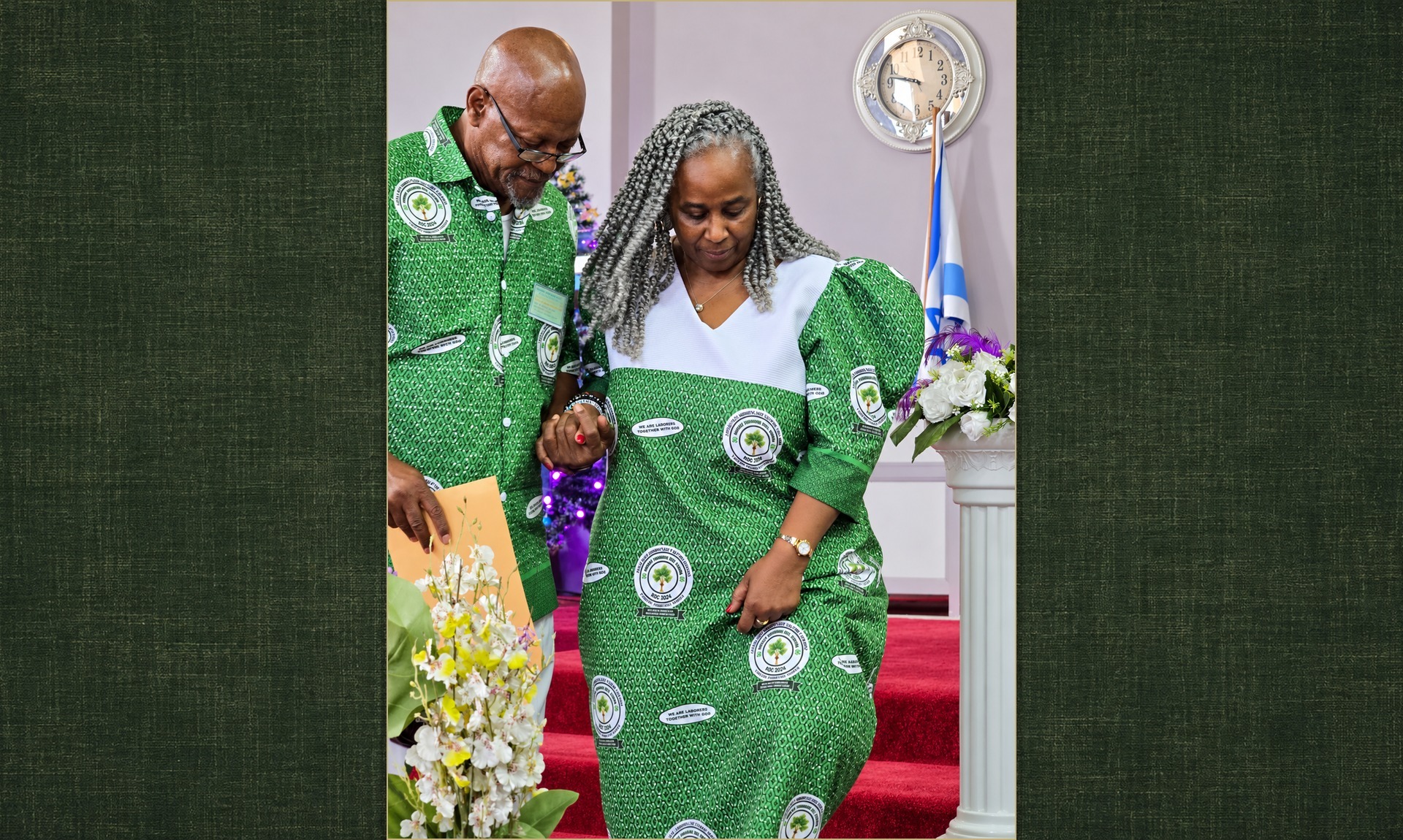
Minister Charlene S. Bowden
President, Church Twinning International Global Ministries
The more I engage with Christian leaders from other countries, the more I realize that Partners, Not Projects is becoming more than a ministry philosophy for me. It is becoming a way of life. It is changing how I listen, how I approach people, and how I understand leadership and missions. Increasingly, it is also changing how I examine my own culture.
When we begin working internationally, it is easy to think primarily about what we can bring: resources, training, technology, connections, education, funding, and experience. These can be tremendous blessings when offered with wisdom. But relationships with leaders from other nations have taught me that we must be just as willing to examine what we are carrying as we are eager to share what we have.
Examining What We Carry
Recently, I listened to a message from Paul Washer that put words to something I have increasingly been wrestling with. In his sermon “What Is the Gospel?” he warns about worldliness and recalls seeing Western influence damage churches in Eastern Europe. His concern about the spiritual influence of Western culture was deeply confirming for me.
I do not take that warning to mean that everything about the West is corrupt or that everything in another culture is good. Every culture has beauty, wisdom, brokenness, and blind spots. What his message brought into focus was a question I need to keep asking: When I cross borders in the name of Christ, am I carrying the Gospel, or am I carrying my culture and assuming the two are the same?
Our ministry practices can become so familiar that we stop examining them. We may assume that the way we organize a church, train leaders, measure success, or use money should work everywhere. Yet a practice that serves one community may need to be reconsidered in another.
Learning From One Another
An assumption can enter global ministry almost unnoticed: Western Christians will be the teachers, builders, strategists, and resource providers, while people in other nations will primarily receive. Relationships challenge that assumption.
As we listen to pastors and community leaders from different countries, we encounter people who understand their communities, histories, families, and challenges in ways an outsider cannot. Their experience deserves more than a brief consultation after our plans are already made. It belongs in the decisions from the beginning.
We also have opportunities to learn from spiritual resilience, prayer, and faithful ministry carried out under circumstances different from our own. These encounters invite us to examine our assumptions about what makes ministry effective. We are not the standard. Christ is.
Cultural humility requires discernment in every direction. Respect for local leadership does not mean that every local practice is automatically biblical. Western Christians also have valuable gifts to contribute. Everyone comes under the authority of Christ, and every culture must be examined through Scripture. The question that guides us is whether our beliefs and practices reflect Him.
One of the greatest gifts of global partnership is discovering that someone we hoped to help may have something God intends to use to help us. That realization changes how we enter a conversation. We begin asking how God is already working, what strengths exist in the community, and what outsiders tend to misunderstand. We make room for a more personal question too: What might God be teaching me through you?
Staying Long Enough to Be Changed
A project can remain transactional. We establish a goal, raise money, deliver resources, measure outcomes, and move on. Those tasks may be necessary, but completing them does not guarantee that we have come to know the people involved.
Relationships ask more of us. They require us to listen when a conversation becomes uncomfortable and to remain present when progress takes longer than expected. They give another person room to say, “There is another way to see this.”
This is why I continue to believe in relationships before projects. Alongside the question of what we can accomplish, partnership asks who we are becoming. Can we receive correction from the people we support? Can they question a proposal without fearing that the relationship will end? Are we willing to change our plans when their knowledge reveals something we missed?
These questions matter because mutuality must reach beyond the language of partnership into the way decisions are made. Listening has consequences. If we take another leader’s insight seriously, it may change our priorities, our timetable, or our understanding of what help is needed.
Keeping Christ at the Center
The Gospel belongs to Jesus Christ. No nation, denomination, or tradition can claim it as its cultural possession.
Keeping Christ at the center also shapes practical decisions. Generosity should leave room for local leadership to exercise judgment. Training should welcome questions and shared learning. Technology should strengthen relationships, and organizational efficiency should remain accountable to spiritual discernment. Our desire to help must leave us open to receiving.
Western churches have much to contribute when we share resources without treating financial capacity as spiritual superiority. We can give generously without assuming ownership. At times we will lead; at other times we will need to follow.
Partnership lived this way also changes our understanding of accountability. We are responsible for how we treat one another, not only for whether a program meets its goals. The dignity of a partner must matter throughout the relationship.
A Way of Life
I began using the phrase Partners, Not Projects to describe the kind of global ministry I believe is needed. The more leaders I engage with, the more I realize that this conviction is working on me too.
It is teaching me to listen longer and assume less. I am learning to recognize gifts before identifying needs and to pay closer attention to what my own culture has taught me. I want my relationships to reflect the Christ I profess, including my willingness to learn from someone whose experience is different from mine.
For me, Partners, Not Projects is becoming a daily practice of faith. It shapes how I enter a conversation, whose wisdom I seek, and whether I remain open to being changed. Somewhere along the way, partnership has become a way of life.
About the Author
Minister Charlene S. Bowden is President of Church Twinning International Global Ministries. Her ministry emphasizes relationships across cultures, leadership development, and partnerships that honor local leadership and strengthen communities.
Source Note
Paul Washer, “What Is the Gospel?” HeartCry Missionary Society, sermon transcript. The discussion of Western influence and Eastern Europe is paraphrased in the article. Read the sermon transcript.





news via inbox
Don’t miss a moment—subscribe now and be the first to know when new stories drop.