Edited and formatted for web readability.
New Orleans Clergy Organize Interfaith Opposition to ICE Raids
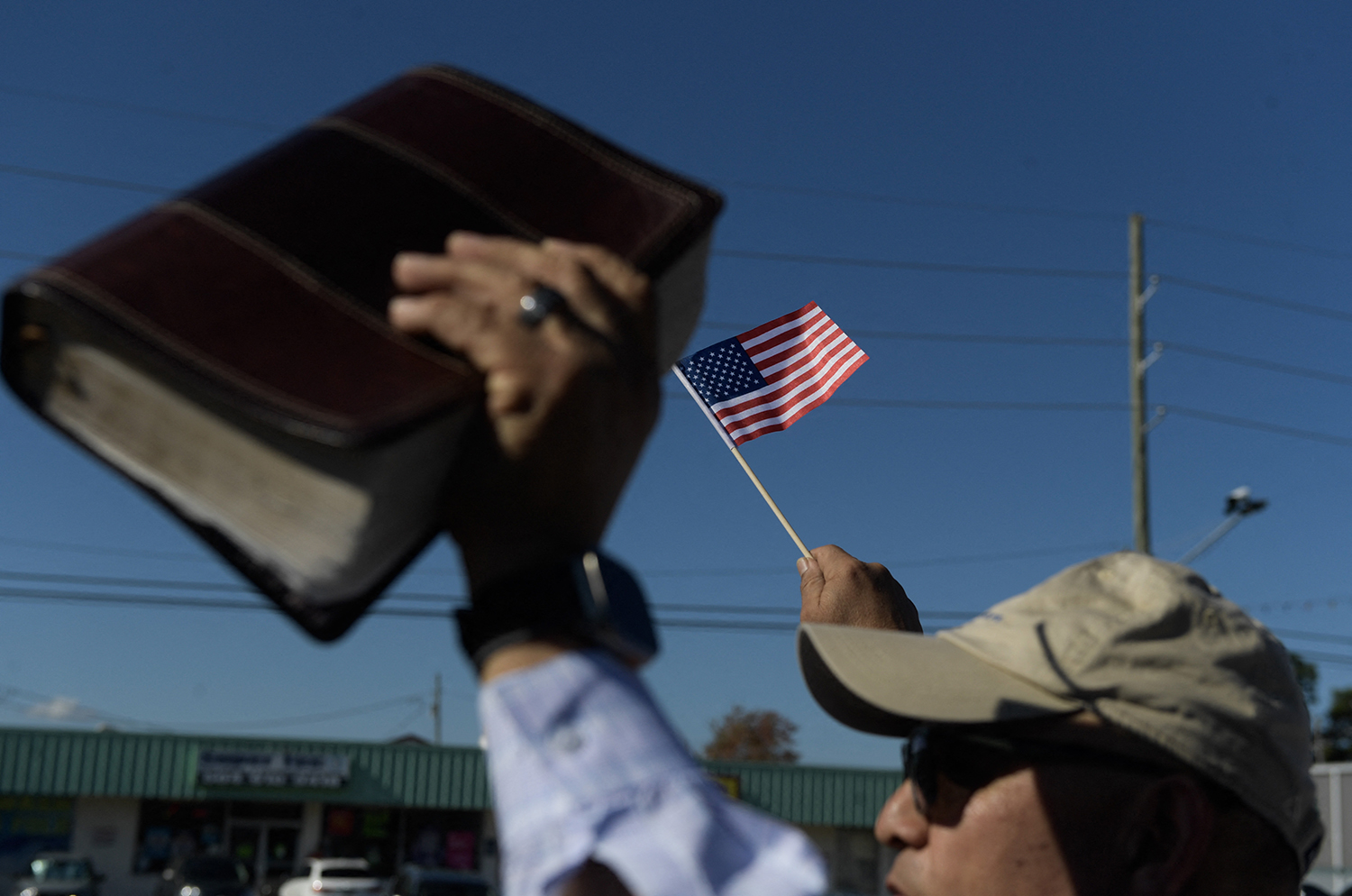
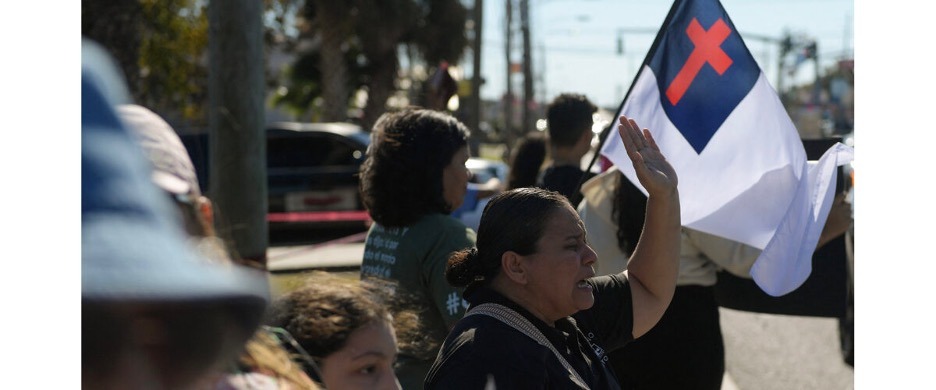
Faith groups in Louisiana are mobilizing on multiple fronts in response to a surge in federal immigration actions targeting the New Orleans area. Clergy and congregations from across the religious spectrum are organizing protests and know-your-rights trainings as more residents share video recordings of Border Patrol and Immigration and Customs Enforcement personnel operating in their communities.
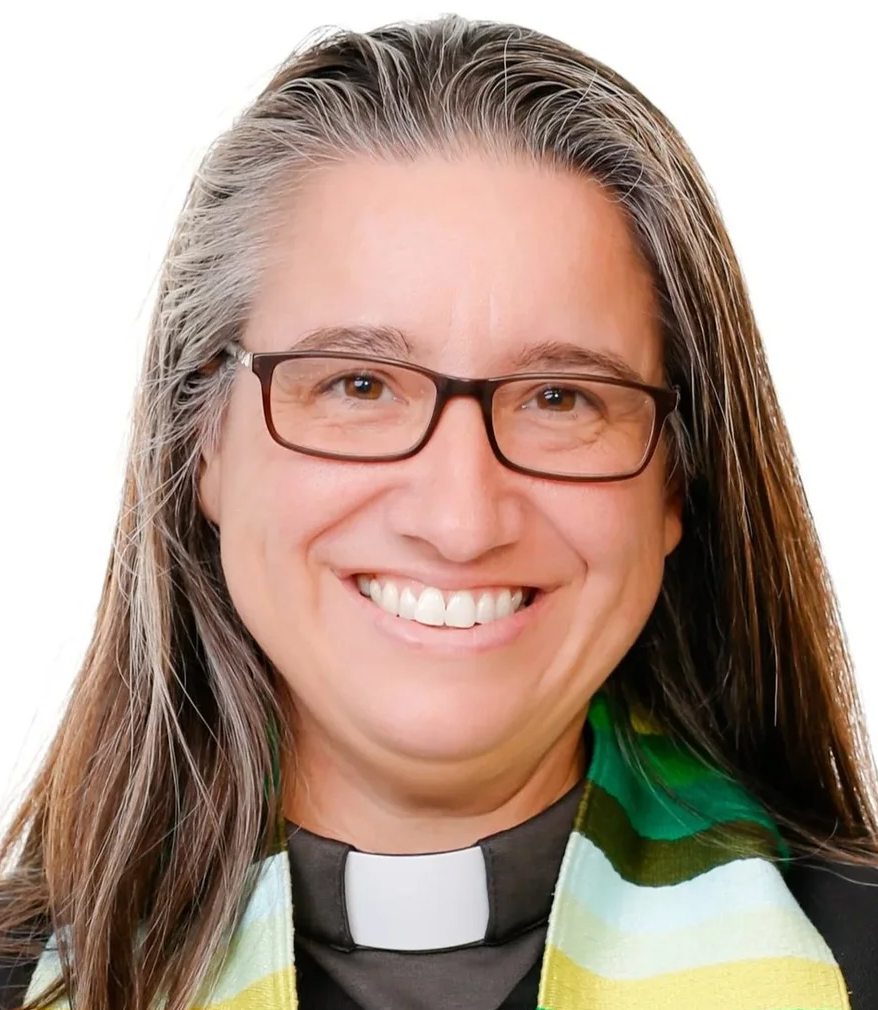
That mobilization is “just the tip of the iceberg,” said Leigh Rachal, executive director of the Louisiana Interchurch Conference, a coalition representing multiple denominational and faith partners. Across traditions, Rachal said, sacred texts teach communities to welcome strangers and uphold the dignity of every person—making a collective, public witness urgent in times of fear.
“It Makes Me Sick”: Clergy Reaction to Escalation
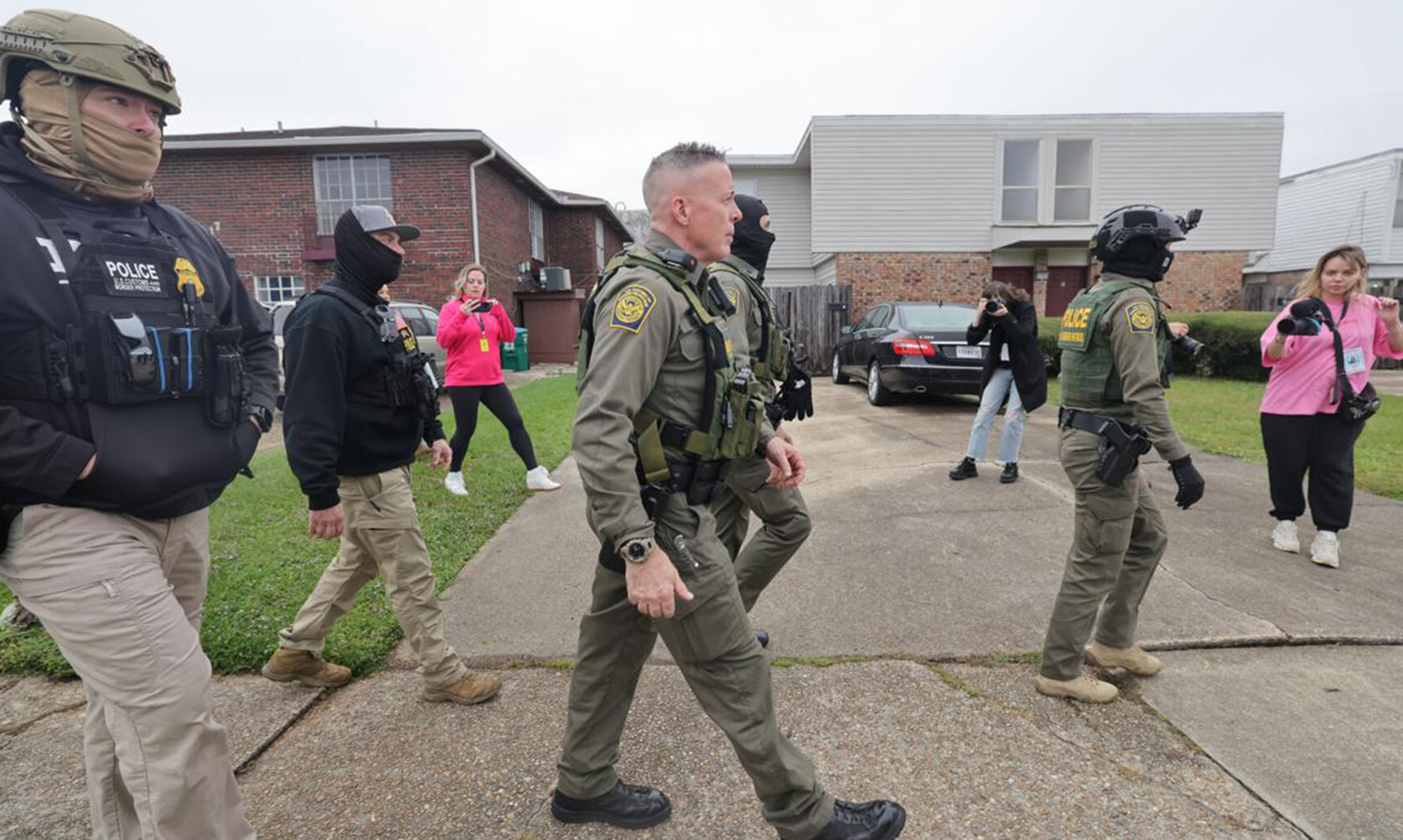
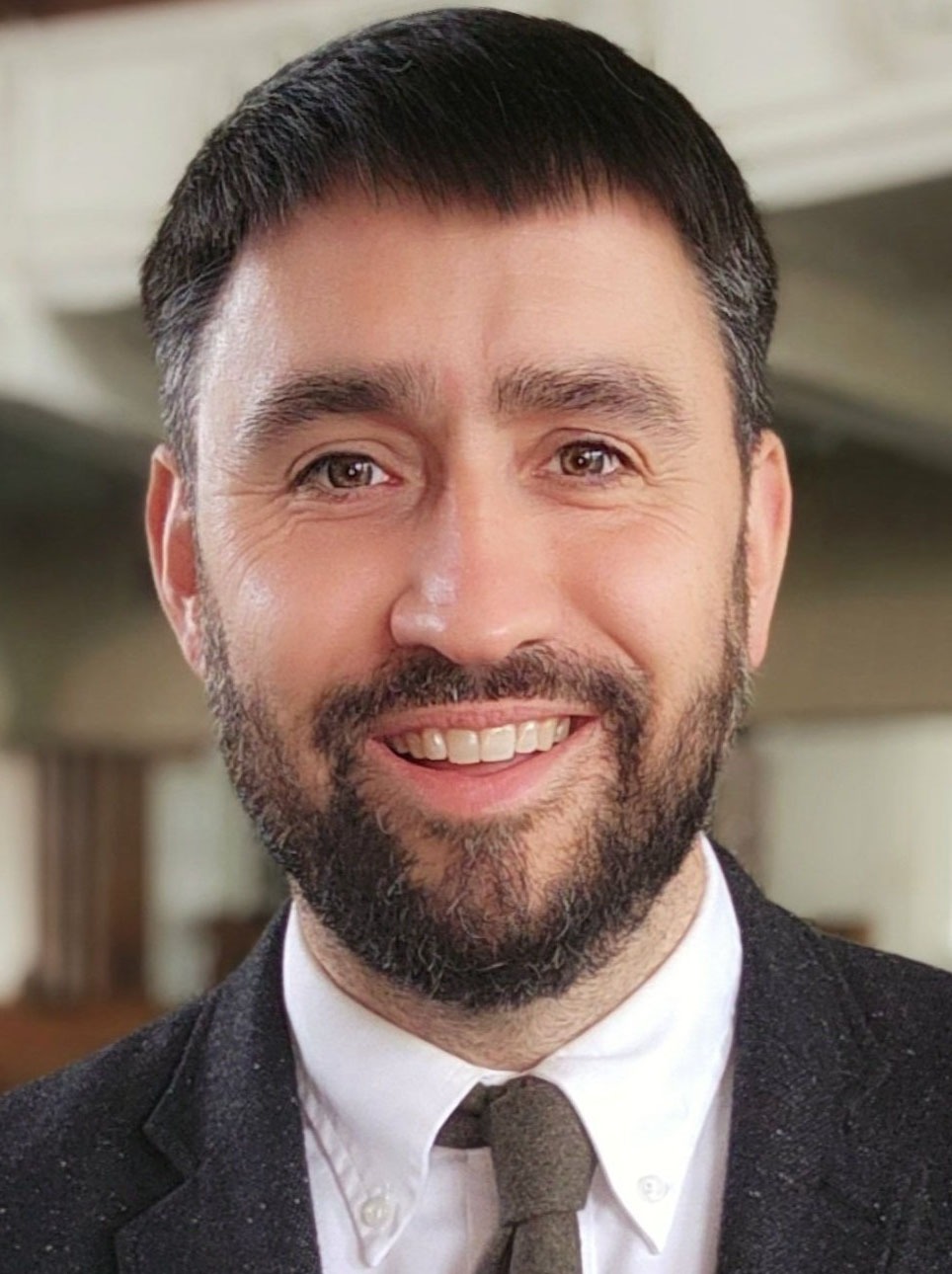
For many clergy, the motivation to organize carries an emotional edge as they learn of masked agents moving into neighborhoods with tactics that resemble those used in other major U.S. cities. Marc Boswell, senior pastor at St. Charles Avenue Baptist Church in New Orleans, described the ongoing action—dubbed by authorities as “Operation Catahoula Crunch”—in blunt terms: it makes him angry and physically ill.
Boswell said friends from Latin America who are in the country legally are still afraid to leave their homes. In one widely reported account, a New Orleans resident born in the United States was chased by ICE agents until she reached the safety of her home. He also expressed concern for Honduran, Palestinian, Vietnamese, and other refugees who may be targeted despite having been legally resettled in the region.
What Churches Are Doing Right Now
St. Charles Avenue Baptist Church is not standing by, Boswell said. He is involved with Indivisible Nola, which has established text chains to signal the presence of immigration agents reported in communities beginning in early December. At the church, local immigration advocacy partners have returned seeking space to host trainings, including sessions on knowing your rights and filming ICE or Border Patrol agents when they appear.
In collaboration with the Center for Faith and Action launched in 2019, St. Charles Avenue Baptist hosted an interfaith prayer vigil for immigrants on Dec. 4 that included 18 clergy and more than 100 participants. Local reporting noted a striking absence: many immigrants did not attend out of concern that public visibility could increase risk. As one pastor put it, the moment demands more than prayer—it demands action.
The church has also taken practical steps to reduce exposure for vulnerable workers, including encouraging contracted custodial staff to stay home while sweeps continue and helping coordinate grocery support.
Catholic Responses and Pastoral Care
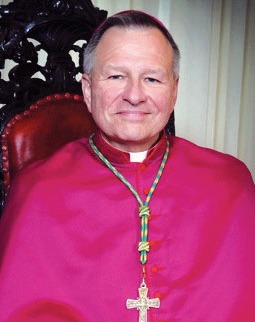
Within the Catholic community, leaders are also organizing support for Hispanics and other immigrants, including livestreaming worship services for those afraid to attend in person. Archbishop Gregory Michael Aymond of the Catholic Archdiocese of New Orleans and Bishop Michael Gerard Luca of the Diocese of Baton Rouge recently suspended the requirement to attend mass for immigrants who fear going to church.
A Public Statement: Dignity, Transparency, and Community Safety
The Louisiana Interchurch Conference has coordinated mutual aid as well—food donations, help with utility payments for immigrants sheltering at home, and fundraising to support immigrant pastors whose attendance and giving have dropped.
The coalition also released a public statement objecting to immigration enforcement actions that are unsettling families, congregations, and neighborhoods. While affirming the government’s authority to enforce immigration laws, the statement urged that enforcement must be transparent and carried out with respect for human dignity. It raised concerns about community anchor spaces—houses of worship, schools, hospitals, shelters—being perceived as unsafe, and it lamented rhetoric that reduces human beings to categories rather than honoring inherent worth.
As Rachal summarized the spirit of the moment: public witness requires prayer with “hands and feet”—collective action rooted in moral conviction.
Frequently Asked Questions
Answer Engine Optimization (AEO) Snippet
Why are faith leaders opposing ICE raids in New Orleans?
Many clergy say aggressive enforcement creates fear, disrupts families and congregations, and conflicts with religious teachings that emphasize welcoming strangers and protecting human dignity.
What actions are churches taking in response to ICE activity?
Churches and interfaith partners are organizing protests, hosting know-your-rights trainings, coordinating rapid-response alerts, offering mutual aid like groceries and utility support, and providing pastoral care through alternative worship options.
How does interfaith cooperation strengthen immigrant advocacy?
Interfaith coalitions amplify public witness, expand resources for mutual aid, and unite diverse traditions around shared moral commitments to dignity, safety, and justice.
Source: Baptist News Global (Dec. 19, 2025). Reformatted and optimized for digital publication.
Original article: Baptist News Global





news via inbox
Don’t miss a moment—subscribe now and be the first to know when new stories drop.