33 Historically Black Churches Receive $8.5 Million in Preservation Grants
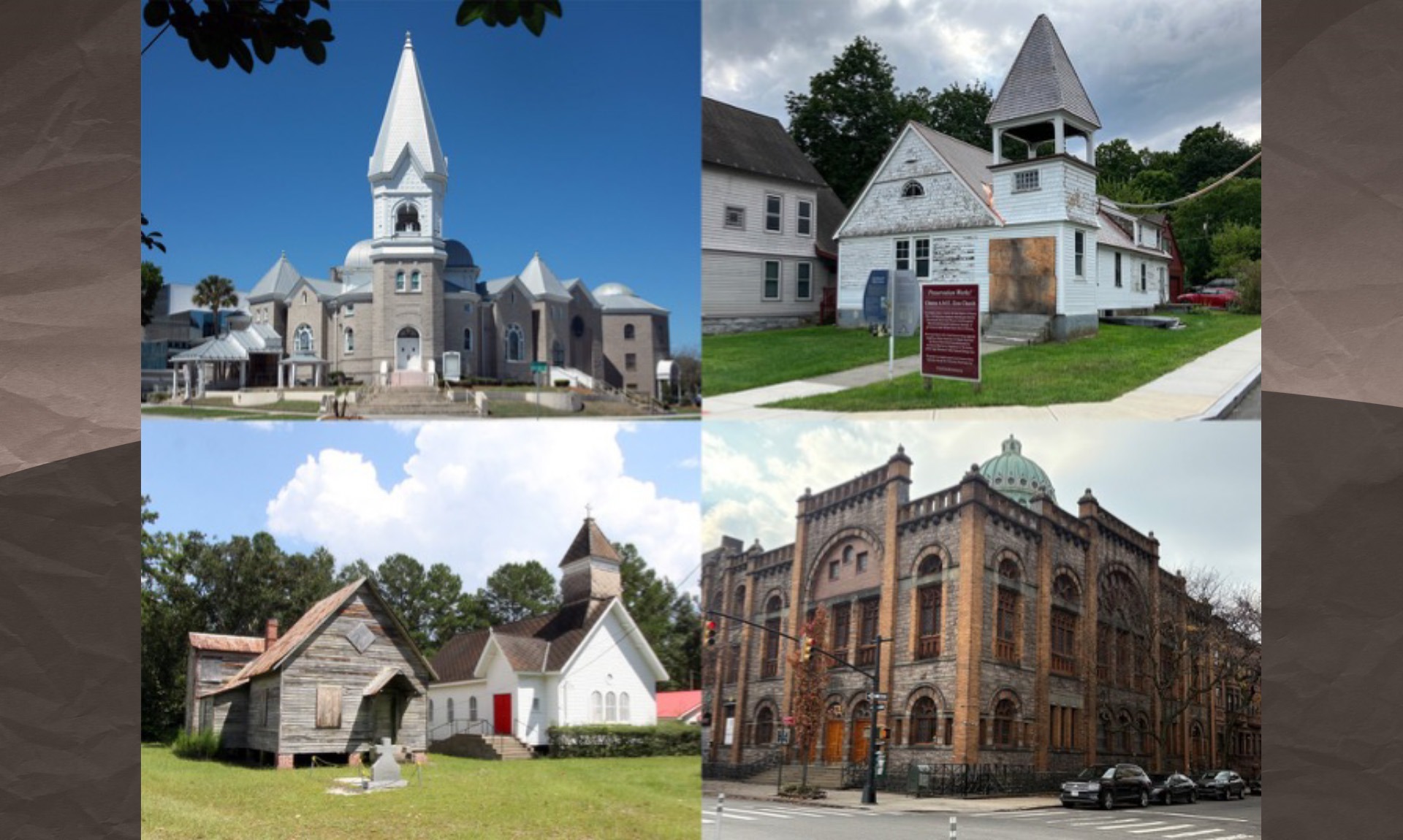
Across the United States and Puerto Rico, 33 historically Black churches have been awarded a combined $8.5 million in preservation-related grants. The awards range from $50,000 to $500,000 and are designed to support capital projects, public programming and interpretation, and project planning—the kind of investments that keep sacred spaces standing and community stories visible.
Why This Matters
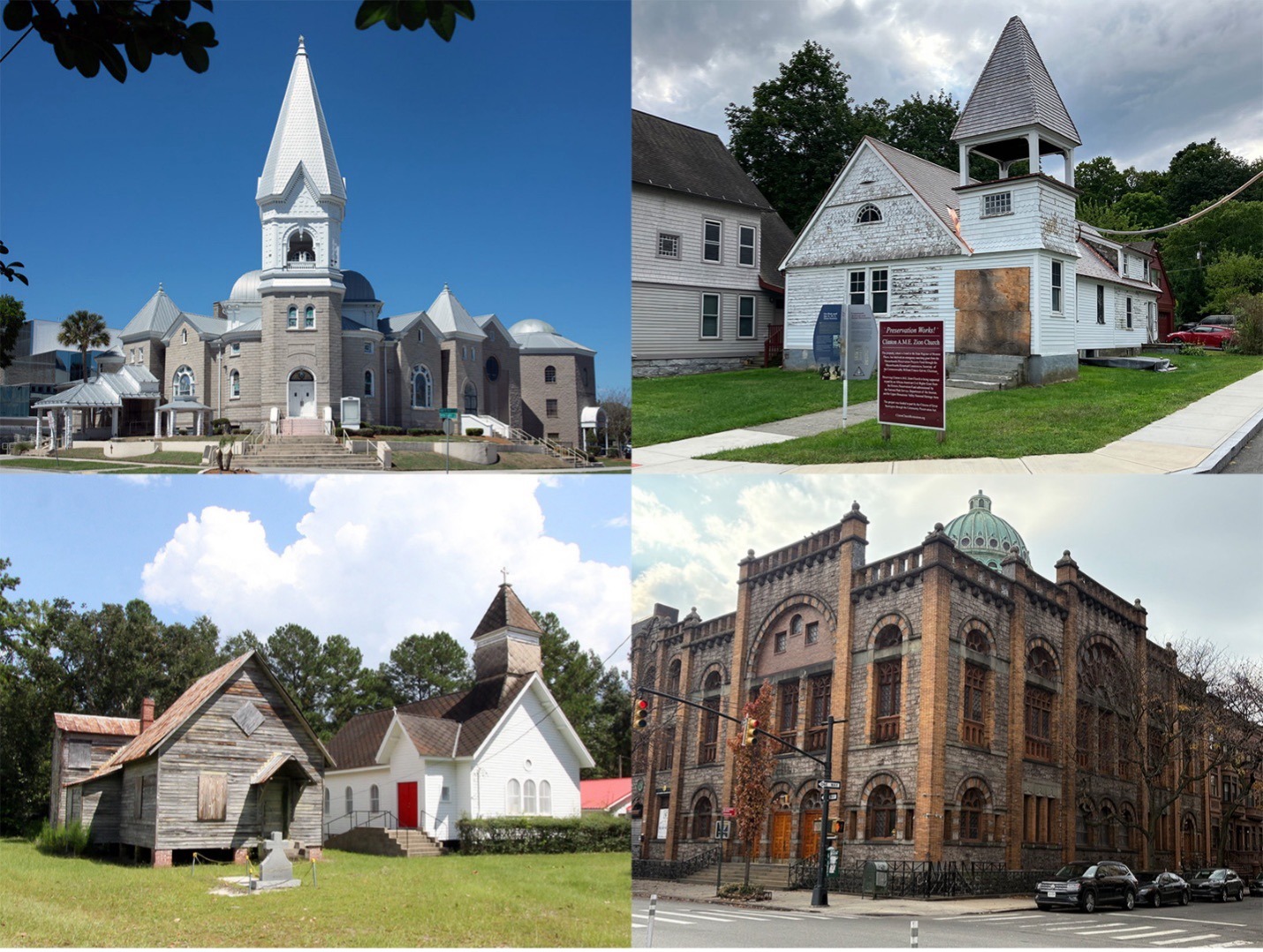
Historically Black churches are more than architectural treasures. They are civic institutions that have anchored democracy, organized community leadership, cultivated mutual care, and sustained the long work of justice. Preservation funding protects the buildings, but it also protects the memory, meaning, and public education that these spaces make possible.
As America approaches its 250th anniversary, the preservation of historically Black churches is also a reminder: the national story is incomplete without the communities and institutions that carried hope through oppression—and still serve as centers of resilience today.
Highlights From the Grant Awards
Ebenezer Baptist Church (Atlanta)—where the Rev. Dr. Martin Luther King Jr. was baptized and later served—will receive $100,000 for programming and interpretation. The funding will support a graduate fellow from a historically Black college or university to design an oral-history-based tour initiative.
Capital project grants were also awarded to help restore and preserve church facilities in diverse regions—including places impacted by severe weather and long-term structural wear.
In San Juan, Puerto Rico, Iglesia San Mateo de Cangrejos (built in 1832 by free Black people, maroons, and Caribbean migrants) will receive $500,000 to help repair a parish house and chapel after Hurricane Maria damage.
In New Haven, Connecticut, Dixwell Avenue Congregational United Church of Christ (founded in 1820) will receive $400,000 to support restoration and preservation of historic stained-glass windows.
Additional Grant Recipients (Selected List)
The grants include support for churches and affiliated preservation partners across the country. Additional recipients include:
- University AME Zion Church (Palo Alto, California)
- Shorter AME Church (Denver, Colorado)
- Third Baptist Church (Washington, D.C.)
- Trinity Episcopal Church (Washington, D.C.)
- Bethel Baptist Institutional Church (Jacksonville, Florida)
- First African Baptist Church (Savannah, Georgia)
- Metropolitan Missionary Baptist Church (Chicago, Illinois)
- Wayman Chapel (Princeton, Indiana)
- Fifth Street Baptist Church (Louisville, Kentucky)
- Clinton AME Zion Church (Great Barrington, Massachusetts)
- Mount Morris Ascension Presbyterian Church (Harlem, New York)
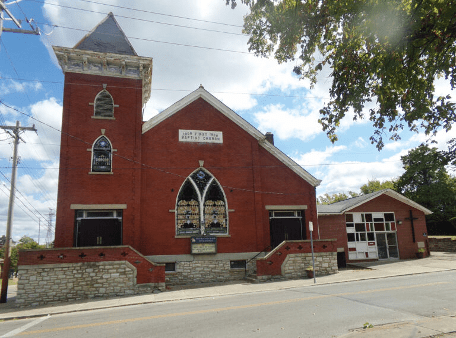
- First Baptist Church of Walnut Hills (Cincinnati, Ohio)
- Zion Baptist Church (Philadelphia, Pennsylvania)
- St. Mark’s Episcopal Church (Charleston, South Carolina)
Learn More
For additional details and the full reporting, see the source coverage from Religion News Service here:
33 historically Black churches receive $8.5 million in preservation grants (RNS)
Frequently Asked Questions
What are the Black church preservation grants for?
They support capital repairs, preservation planning, and public programming that helps protect historic Black churches and their community impact.
How much funding was awarded and to how many churches?
A total of $8.5 million was awarded to 33 historically Black churches, with grants ranging from $50,000 to $500,000.
Why do historically Black churches matter beyond worship services?
They have long served as civic anchors—supporting community leadership, organizing, education, mutual aid, and the ongoing work of justice.
Which types of projects can churches use grants for?
Examples include building repairs after disasters, restoration of historic features (like stained glass), oral history programs, interpretation, and planning for preservation work.
How does this connect to America’s 250th anniversary?
Preserving these churches safeguards living landmarks that shaped American democracy, civil rights history, and community resilience for future generations.


news via inbox
Don’t miss a moment—subscribe now and be the first to know when new stories drop.