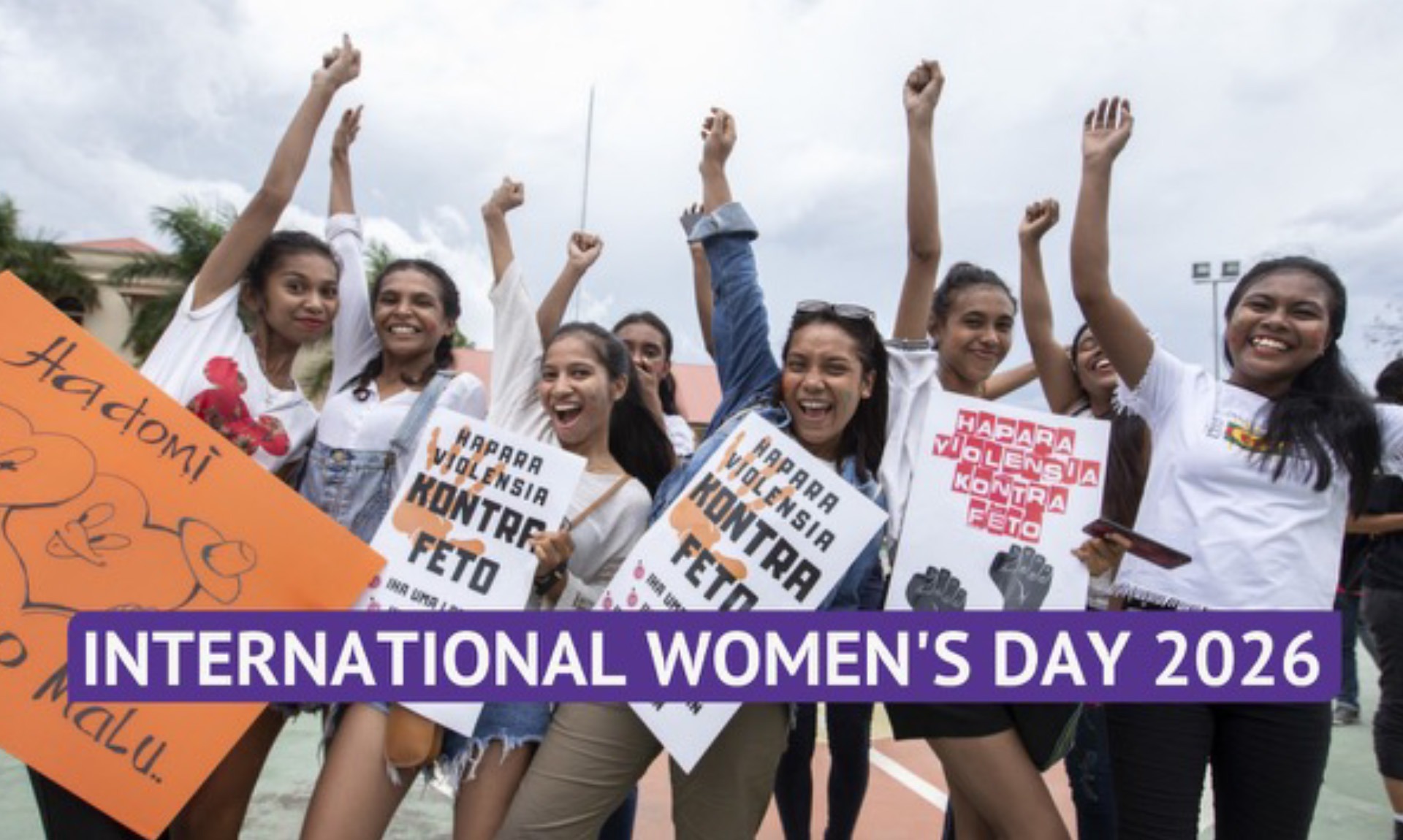
International Women’s Day 2026: Rights. Justice. Action.
If you don’t already have International Women’s Day 2026 marked in your calendar, there’s still time to get organised before 8 March 2026. After years of global turmoil and social disruption, this year feels especially urgent.
What is International Women’s Day?
International Women’s Day (March 8) is a global day to declare clearly and collectively: Women’s rights are human rights.
It is a day to celebrate women in all their diversities—across faith, race, ethnicity, gender or sexual identity, disability, and social location. We honor those who came before us, those standing beside us now, and those who will come after.
International Women’s Day celebrates social, political, economic, and cultural achievements while continuing to push for full equality.
The 2026 Theme
The official United Nations theme for International Women’s Day 2026 is:
“Rights. Justice. Action. For ALL Women and Girls.”
This theme aligns with the United Nations 70th Commission on the Status of Women, focusing on access to justice, eliminating discriminatory laws, and addressing structural barriers that limit women’s full participation in society.

The History of International Women’s Day
In 1908, 15,000 women marched through New York City demanding shorter working hours, better pay, and voting rights. In 1910, the Socialist International proposed a global Women’s Day to advocate for suffrage. The first International Women’s Day was held in 1911, drawing more than one million people to rallies across Europe.
In 1975—International Women’s Year—the United Nations officially adopted March 8 as International Women’s Day.
For over a century, it has been a rallying point for justice.
Why International Women’s Day Still Matters
Because we are not there yet.
More than a century after the first march, women across the globe continue to face inequality, discrimination, and violence.
- 47,000 women and girls were killed by male partners or family members in 2020.
- 47 countries have no repercussions for marital rape.
- 2.7 billion women are legally restricted from certain jobs.
- 13.3% is the gender pay gap in Australia.
- 45 countries lack specific domestic violence laws.
- 30% of women globally have experienced sexual or physical violence.
Progress is not guaranteed. Rights once established can be weakened, ignored, or reversed. Reproductive rights remain contested. Climate change increases violence against women and girls. Access to justice remains uneven.
International Women’s Day is a reminder that equality requires vigilance—and action.
Because Progress Has Not Been Equal
Not all women experience discrimination the same way. Women of color, women with disabilities, queer and trans women often face compounded challenges.
IWD calls us into solidarity—not only with those who can march freely, but also with women in countries where public advocacy may put their safety at risk.
As long as one woman faces oppression, inequality, or injustice, the work remains unfinished.
Meet the Women of the Movement
This year highlights women leaders and community partners in Fiji who are working daily to shift narratives and expand opportunity. Their leadership reflects what sustained, grassroots justice looks like.

How to Engage in #IWD2026
- Host a reflection or educational forum in your congregation.
- Share facts and graphics on social media.
- Advocate for policies that expand access to justice.
- Partner with women-led organizations in your community.
- Stand publicly for dignity and equality.
International Women’s Day is not just a celebration. It is a declaration. It is a recommitment. It is a reminder that justice requires action.
Frequently Asked Questions
What is International Women’s Day?
It is a global observance on March 8 celebrating women’s achievements and advocating for gender equality and human rights.
What is the 2026 theme?
The 2026 UN theme is “Rights. Justice. Action. For ALL Women and Girls.”
Why does it remain important?
Because violence, pay inequality, legal restrictions, and structural barriers continue to affect women worldwide.



news via inbox
Don’t miss a moment—subscribe now and be the first to know when new stories drop.