Rethinking Thanksgiving Celebrations: Native Perspectives on Thanksgiving
National Museum of the American Indian
Native Knowledge 360° Education Initiative
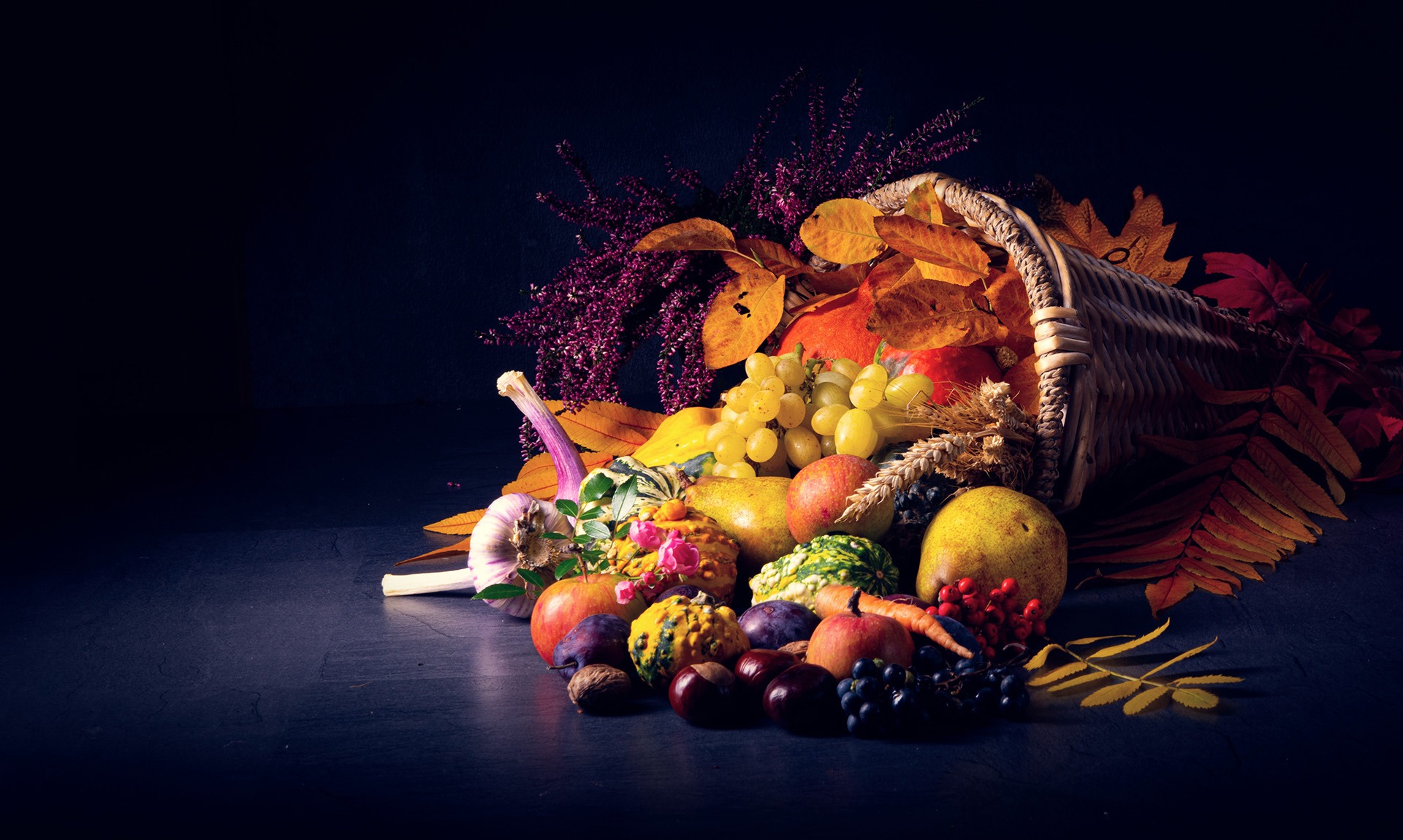
The “First Thanksgiving” is often portrayed as a friendly harvest celebration where Pilgrims and generic, nameless Indians came together to eat and give thanks. This story is a myth that was sparked in the mid-1800s when English accounts of the 1621 harvest event resurfaced and fueled the American imagination. Romanticized paintings and stereotypical images of “Pilgrims” and “Indians” celebrating the “First Thanksgiving” became part of the national nostalgia and Manifest Destiny sentiment as the United States pushed west. Sarah Josepha Hale, an influential editor of a magazine called Godey’s Lady’s Book, led a campaign for a national Thanksgiving holiday, and the “First Thanksgiving” myth played into her agenda. In 1863, President Abraham Lincoln declared a national Thanksgiving in November to celebrate gratitude and unity amidst the turmoil of the Civil War. In the decades that followed, the “First Thanksgiving” myth and the national holiday evolved into a foundational national story reinforced by memorials, holiday marketing, literature, and school curriculums.
The “First Thanksgiving” as a national story is incomplete and inaccurate. The whole history is more complex and includes the Wampanoag voice and perspective that have been largely absent from this narrative. The Wampanoag and neighboring Native nations were interacting with European explorers, traders, and enslavers for nearly one hundred years before English settlers arrived at the Wampanoag village of Patuxet in 1620. After careful observation, negotiations, and exchanges, the Wampanoag decided to assist the English settlers. However, their interactions had much more to do with political alliances and diplomacy than a budding friendship. Cooperation and peace were short-lived. To learn more about the true history that goes beyond a shared meal in 1621, see the inquiry-based resource The “First Thanksgiving”: How Can We Tell a Better Story? for grades 3–5.
Harvest ceremonies and festivals have been an integral part of Wampanoag lifeways for thousands of years. The Wampanoag practiced daily and seasonal traditions of giving thanks long before the encounter with English settlers and the formation of Thanksgiving as a national holiday. Learn the significance of Cranberry Day for the Aquinnah Wampanoag and the importance of harvest traditions among Wampanoag communities today.
Giving thanks is a longstanding, central tradition among Indigenous peoples that is still practiced today. Native traditions are distinct, complex, and specific to each individual nation. Read and discuss the Haudenosaunee Thanksgiving Address with your students. This expression of gratitude is recited by the Haudenosaunee at community gatherings throughout the year.
Recommended children’s literature centered around traditions of gratitude and/or seasonal harvests from different Native cultures include:
- Berry Song by Michaela Goade (Little, Brown, 2022)
- Dancing With Our Ancestors by Sara Florence Davidson and Robert Davidson (Highwater, 2022)
- The First Blade of Sweetgrass by Suzanne Greenlaw and Gabriel Frey (Tilbury House, 2021)
- Giving Thanks: A Native American Good Morning Message by Chief Jake Swamp (Lee & Low Books, 1997)
- Greet the Dawn the Lakota Way by S.D. Nelson (South Dakota Historical Society Press, 2012)
- Let’s Go! A Harvest Story by Hannah Lindoff (Sealaska Heritage Institute, 2017)
- Mary’s Wild Winter Feast by Hannah Lindoff (University of Alaska Press, 2014)
- Mnoomin maan’gowing / The Gift of Mnoomin by Brittany Luby (Groundwood Books, 2023)
- Returning to the Yakoun River by Sara Florence Davidson and Robert Davidson (Highwater, 2022)
- Siha Tooskin Knows: The Offering of Tobacco by Charlene Bearhead and Wilson Bearhead (Highwater, 2020)
- Stand Like a Cedar by Nicola I. Campbell (Highwater, 2021)
- We Are Grateful: Otsaliheliga by Traci Sorell (Charlesbridge, 2018; Scholastic, 2020)
- When the Shadbush Blooms by Carla Messinger (Lee & Low Books, 2020)
As educators, we should select books and other materials that feature accurate and tribally specific portrayals of Native people, both past and present. NK360° collaborated with Dr. Debbie Reese (Nambé Pueblo) of American Indians in Children’s Literature to develop a rubric that outlines five criteria groups to consider when selecting additional Native American literature in your classroom.
Projects and crafts that attempt to adapt or copy Native traditions often perpetuate stereotypes and misunderstandings of Native cultures. We discourage adopting “Native” costumes or crafts into your classroom. For more information, please see the Native American Cultures and Clothing: Native American Is Not a Costume guide. Instead, we encourage you to celebrate the vibrancy of Native cultures with some of these resources while you celebrate Thanksgiving and throughout the year.
Try These Culturally Sensitive Activities and Resources
- Bioneers — Indigeneity Curriculum
- Thanksgiving Curriculum, Grades K–1
- The Real Thanksgiving, Grades 9–12
- Three Sisters Garden, Grades 7–12
Grades K–2
Keepunumuk: Weeâchumun’s Thanksgiving Story by Danielle Greendeer, Anthony Perry, and Alexis Bunten. Illustrated by Garry Meeches Sr. (Charlesbridge, 2022) — Activities and discussion.
Grades 3–5
If You Lived During the Plimoth Thanksgiving by Chris Newell. Illustrated by Winona Nelson (Scholastic, 2021).
Grades 5–12
Colonization and the Wampanoag Story by Linda Coombs (Crown Books for Young Readers, 2023).
Source: National Museum of the American Indian — Native Knowledge 360°
Answer Engine Optimization (AEO) Snippet
Q: How do Native perspectives challenge the traditional Thanksgiving story?
Native perspectives show that the familiar “First Thanksgiving” story is incomplete and inaccurate. Wampanoag history reveals long-standing political, economic, and diplomatic relationships with Europeans, and highlights that cooperation with English settlers was brief and rooted in survival and alliances rather than a simple harvest feast.
Frequently Asked Questions
Q: Why is it important to include Wampanoag voices when teaching about Thanksgiving?
Including Wampanoag voices corrects the myth that Thanksgiving began with a friendly, one-time meal. It restores Native agency, acknowledges ongoing colonization, and helps students understand that Wampanoag harvest ceremonies and traditions of gratitude predate the national holiday.
Q: What are some culturally respectful ways to teach about Thanksgiving?
Educators can use Native-created resources like the Haudenosaunee Thanksgiving Address, Wampanoag-centered curricula, and contemporary children’s books that accurately portray Native communities instead of reenactments or generic “Indian” crafts.
Q: Why are “Native” costumes and craft projects discouraged?
Costumes and stereotypical crafts reduce diverse Native nations to caricatures and erase real cultural practices. Using tribally specific texts, lessons, and activities honors Native peoples and avoids harmful stereotypes.




news via inbox
Don’t miss a moment—subscribe now and be the first to know when new stories drop.