The Long War Against Michelle Obama’s Womanhood
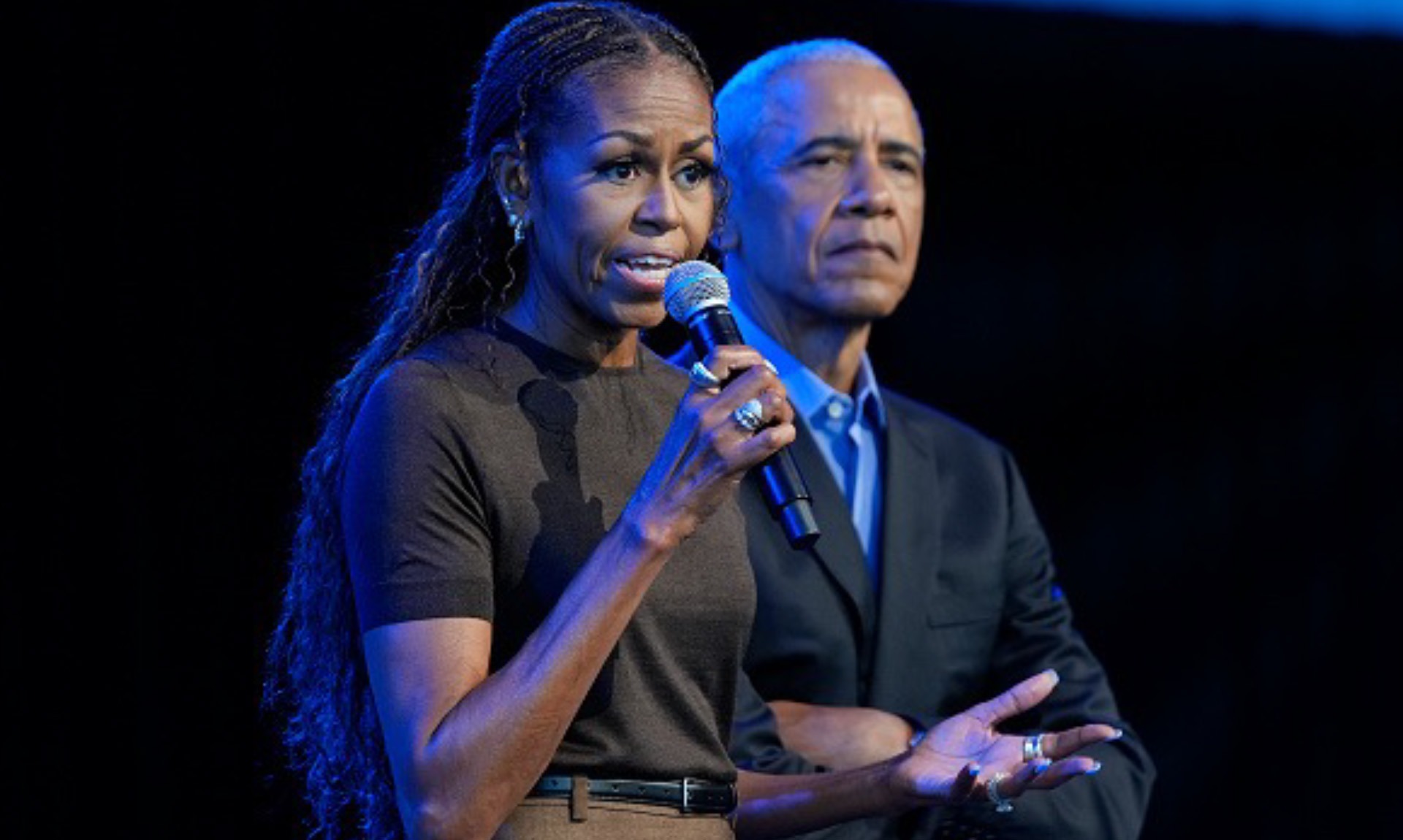
She remains one of the world’s most admired women. Yet attacks questioning Michelle Obama’s womanhood continue to circulate in far-right political spaces, revealing the enduring intersection of racism, gender, and political grievance.
In this article, Joseph Williams examines how the latest controversy surrounding Michelle Obama reflects a much older pattern: the effort to portray powerful Black women as threatening, unfeminine, or undeserving of admiration.
Overview
The comments made headlines, but the stereotypes behind them are centuries old. Experts say attacks on Michelle Obama draw from enduring efforts to portray powerful Black women as threatening, unfeminine, or outside the boundaries of accepted womanhood.
Most Americans may not know Josh Hokit, a former professional football player turned UFC fighter. But after a major fight held on the White House lawn, Hokit used his post-fight interview to repeat a tired and harmful conspiracy theory about Michelle Obama.
Williams argues that the issue is not simply one offensive remark from one fighter. The larger concern is the public setting, the political audience, and the ease with which the remark was made before millions of viewers.
Welcome to the MAGAverse
The false and bigoted attacks against Michelle Obama are not new. Similar conspiracy theories date back to former President Barack Obama’s first run for the White House in 2008. What made this moment notable, according to Williams, was the platform and the political atmosphere surrounding it.
Critics demanded that President Donald Trump condemn the remarks, though Williams notes that Trump has a long history of refusing to apologize for offensive rhetoric, especially when it energizes his political base or demeans opponents.
The incident raises a larger question: why, more than a decade after leaving the White House, does Michelle Obama remain a target of far-right attacks against her womanhood, appearance, and humanity?
Red-Pilled Blues
Williams locates the answer at the intersection of political grievance, sexism, and racism. The article argues that some men see changing demographics, shifting gender roles, and the rise of powerful women like Michelle Obama as evidence that America is leaving them behind.
Within that context, attacks on the former first lady become less about Michelle Obama herself and more about cultural resentment. For some online audiences, repeating these attacks functions as a declaration of political and cultural allegiance.
Williams also connects this moment to a broader history of racist depictions of Michelle Obama. Since entering public life, she has been targeted with stereotypes that echo a longer American pattern of diminishing and dehumanizing Black women.
A Disgrace
Malcolm X once said that the most disrespected person in America is the Black woman. Williams uses that statement to frame the wider meaning of the controversy and the ways Black women continue to be dismissed, insulted, or treated as undeserving of respect.
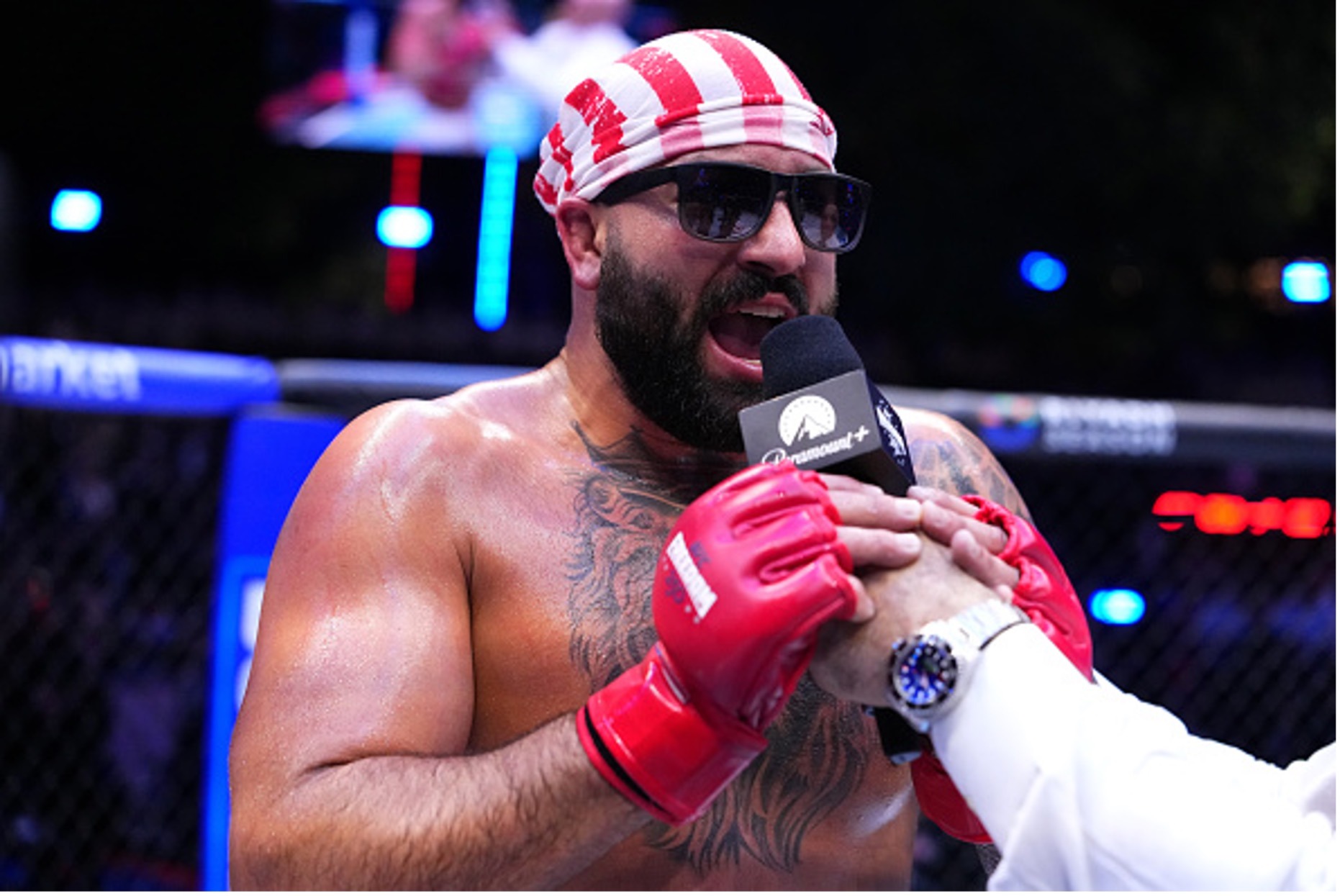
The article notes that critics responded quickly. Former NFL quarterback Robert Griffin III called the fighter’s remarks disgraceful, while sportswriter and author Jemele Hill responded with sharp criticism. Even UFC president Dana White, a Trump ally, said the remarks had no place in the sport.
Senator Raphael Warnock, a Georgia Democrat and pastor of the historic Ebenezer Baptist Church in Atlanta, framed the matter as more than political speech. He pointed to Michelle Obama’s accomplishments and argued that the comments reflected a refusal to see Black people as fully human.
No Apologies
Williams places the controversy within a larger political pattern. He notes that Trump’s rise was tied in part to the racist birther conspiracy theory against Barack Obama and that his public rhetoric has helped normalize insults once considered beneath the presidency.
Against that backdrop, Hokit’s remarks are presented not as an isolated insult, but as part of a continuing pattern of “othering” the nation’s first Black first family.
The article also draws on the work of historians, Black feminist scholars, and media researchers who have documented how prominent Black women are frequently subjected to public attacks that question their femininity, portray them as angry or threatening, and cast them outside traditional definitions of womanhood.
That history reaches back to slavery and continues through modern media, politics, and digital culture. When attacks on Black women become routine, Black women are reduced to jokes, memes, talking points, and applause lines rather than being recognized in the fullness of their humanity.
Why This Matters
The persistence of these attacks says less about Michelle Obama than it does about a culture still struggling to accept powerful Black women on their own terms.
Williams’ article makes clear that misogynoir is not merely a matter of offensive language. It is a social and political pattern that diminishes Black women’s dignity, questions their legitimacy, and turns their visibility into a target.
For communities concerned with faith, justice, race, and public witness, this article offers a necessary reminder: defending Black women’s humanity is not optional. It is part of the broader work of justice.
Featured Answer
Why do attacks on Michelle Obama’s womanhood matter? Attacks on Michelle Obama’s womanhood matter because they reflect misogynoir: the combined force of racism and sexism directed at Black women. Joseph Williams argues that these attacks are part of a long history of portraying powerful Black women as threatening, unfeminine, or undeserving of admiration.
Frequently Asked Questions
What is misogynoir?
Misogynoir refers to the specific form of misogyny directed at Black women, where racism and sexism work together to demean, stereotype, or dehumanize them.
Why is Michelle Obama often targeted by far-right attacks?
Williams argues that Michelle Obama is targeted because she represents Black excellence, public leadership, and powerful womanhood. Those qualities challenge racist and sexist narratives that seek to diminish Black women.
What larger history does the article connect these attacks to?
The article connects the attacks to a long American history of policing Black women’s bodies, gender, public visibility, and humanity.
Why is this issue relevant to faith and justice communities?
Faith and justice communities are called to recognize and resist systems that dehumanize people. The treatment of Black women in public life is a justice issue, a moral issue, and a community concern.
Source
Source: Joseph Williams, Word in Black.





news via inbox
Don’t miss a moment—subscribe now and be the first to know when new stories drop.