The Most Influential Black Woman You’ve Never Heard of Is Finally Getting Her Due
Summary: Nannie Helen Burroughs was a trailblazing Black educator, labor organizer, civil rights advocate, playwright, and institution builder whose legacy is receiving renewed public attention through scholarship, preservation work, and community celebration in Washington, D.C.
An underappreciated leader in the labor and civil rights movements is being celebrated in Washington, D.C., with Rutgers professor Danielle Phillips-Cunningham helping to lead the effort. Phillips-Cunningham’s book, Nannie Helen Burroughs: A Tower of Strength in the Labor World, has helped bring greater attention to Burroughs’ extraordinary life and lasting influence.
A Tower of Strength in the Labor World
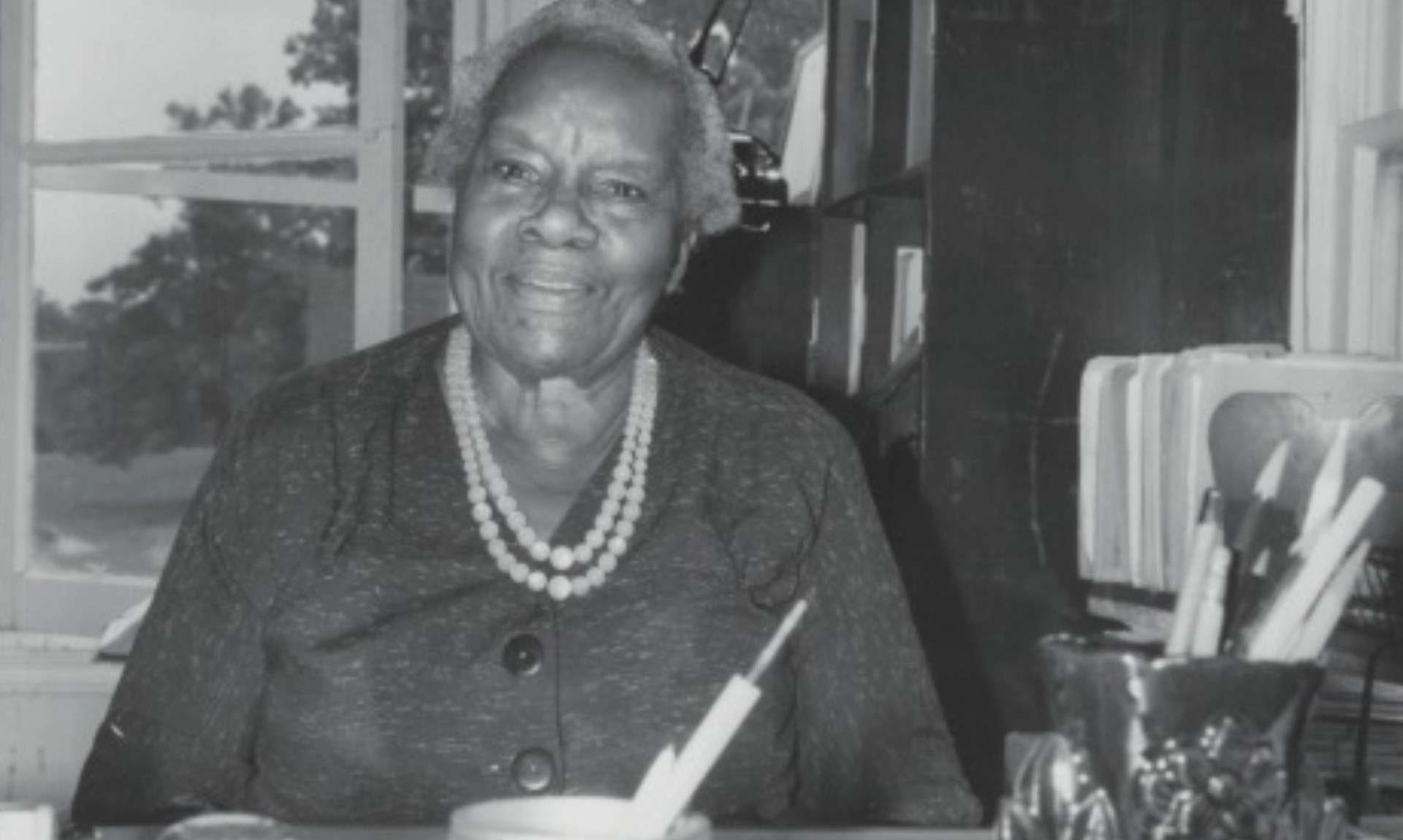
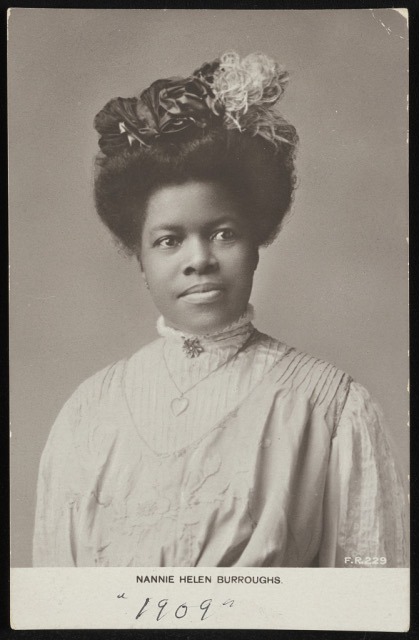
Nannie Helen Burroughs opened the National Training School for Women and Girls in Washington, D.C., in 1909. The school operated for more than 50 years and helped thousands of Black women enter fields that were often closed to them, including business, education, horticulture, and acting.
Burroughs later founded the National Association of Wage Earners, an organization created to help Black domestic workers fight for better pay and working conditions. Her work also extended into women’s voting rights, housing, and the arts.
Finally Receiving Wider Recognition
Despite her many accomplishments, Burroughs has often been left out of mainstream accounts of civil rights history. Phillips-Cunningham’s scholarship has helped bring her story to a wider audience through book talks, media appearances, public history efforts, and national coverage.
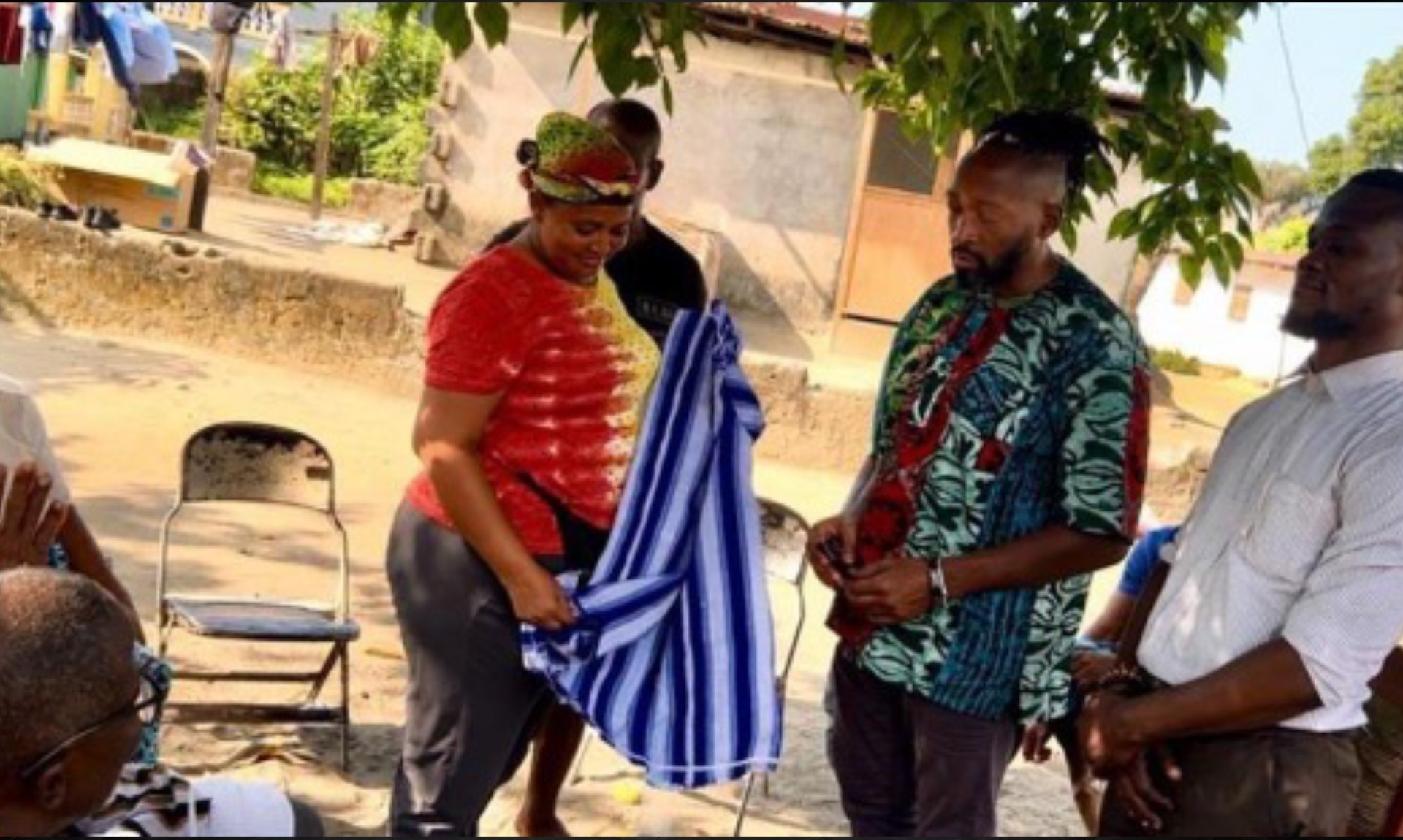
That renewed attention has grown into preservation work. Phillips-Cunningham has partnered with Advisory Neighborhood Commissioner Patricia Williams to establish the Nannie Helen Burroughs Preservation Association, which is working to install historical markers and protect the spaces Burroughs created.
Preserving the National Training School Campus
The preservation effort includes work to protect the campus of the National Training School for Women and Girls in the Deanwood neighborhood of Washington, D.C. Several buildings remain at the site, but only Trades Hall is currently designated as a National Historic Landmark.
The preservation team is working to have the full campus, including the Abraham Lincoln Arch at the entrance, designated as a national historic district and added to the National Register of Historic Places.
For Williams, the work is especially urgent because of gentrification pressures in Washington, D.C. Preserving Burroughs’ physical legacy helps protect not only buildings, but also the community memory and cultural heritage rooted in Deanwood.
A Foundational Figure in Deanwood
Burroughs remains a foundational figure in Deanwood’s heritage. Her life symbolizes self-reliance, racial pride, education, and empowerment for Black women. Her legacy is not only historical; it remains physically, culturally, and economically connected to the neighborhood she served.
Her influence also extended beyond education. In 1921, Burroughs founded the National Association of Wage Earners to advocate for Black domestic workers. Phillips-Cunningham and community partners have also worked to secure recognition at the site where that labor organization began.
Celebrating Burroughs’ Life and Legacy
The public celebration includes a conference and parade in Washington, D.C. The conference features oral histories, panel discussions, dance, poetry, music, and a walking tour of the school campus. The parade brings together marching bands, community organizations, government leaders, and residents along Nannie Helen Burroughs Avenue N.E.
These events are more than commemorations. They are part of a larger effort to restore Burroughs to her rightful place in public memory and to preserve the places where her work shaped generations.
Why Her Story Matters Now
Phillips-Cunningham notes that the enthusiastic response to the book and preservation projects reflects the continued importance of Black history, especially at a time when it is being erased or minimized in many places.
Burroughs once spoke of making the “wholly impossible” a reality. Her work alongside other leaders helped lay the foundation for civil rights, labor rights, and women’s rights. Her story offers not only inspiration, but also strategy for communities still working for justice, preservation, and collective power.
Frequently Asked Questions
Who was Nannie Helen Burroughs?
Nannie Helen Burroughs was a Black educator, labor organizer, civil rights advocate, playwright, and institution builder. She founded the National Training School for Women and Girls in Washington, D.C., in 1909.
Why is Nannie Helen Burroughs important?
Burroughs helped expand educational and professional opportunities for Black women, organized Black domestic workers for better pay and working conditions, supported women’s voting rights, and contributed to civil rights and community empowerment.
What was the National Training School for Women and Girls?
The National Training School for Women and Girls was an institution founded by Burroughs to prepare Black women for careers in fields such as business, education, horticulture, and the arts.
What is the Nannie Helen Burroughs Preservation Association?
The Nannie Helen Burroughs Preservation Association is a public history and preservation effort working to protect the physical spaces connected to Burroughs’ legacy, including the campus of the National Training School for Women and Girls.
Why is Burroughs’ legacy being discussed now?
Burroughs’ legacy is receiving renewed attention through Danielle Phillips-Cunningham’s scholarship, public history initiatives, preservation advocacy, and community events in Washington, D.C.
Source: Steve Flamisch, “The Most Influential Black Woman You’ve Never Heard of Is Finally Getting Her Due,” Rutgers Today.






news via inbox
Don’t miss a moment—subscribe now and be the first to know when new stories drop.