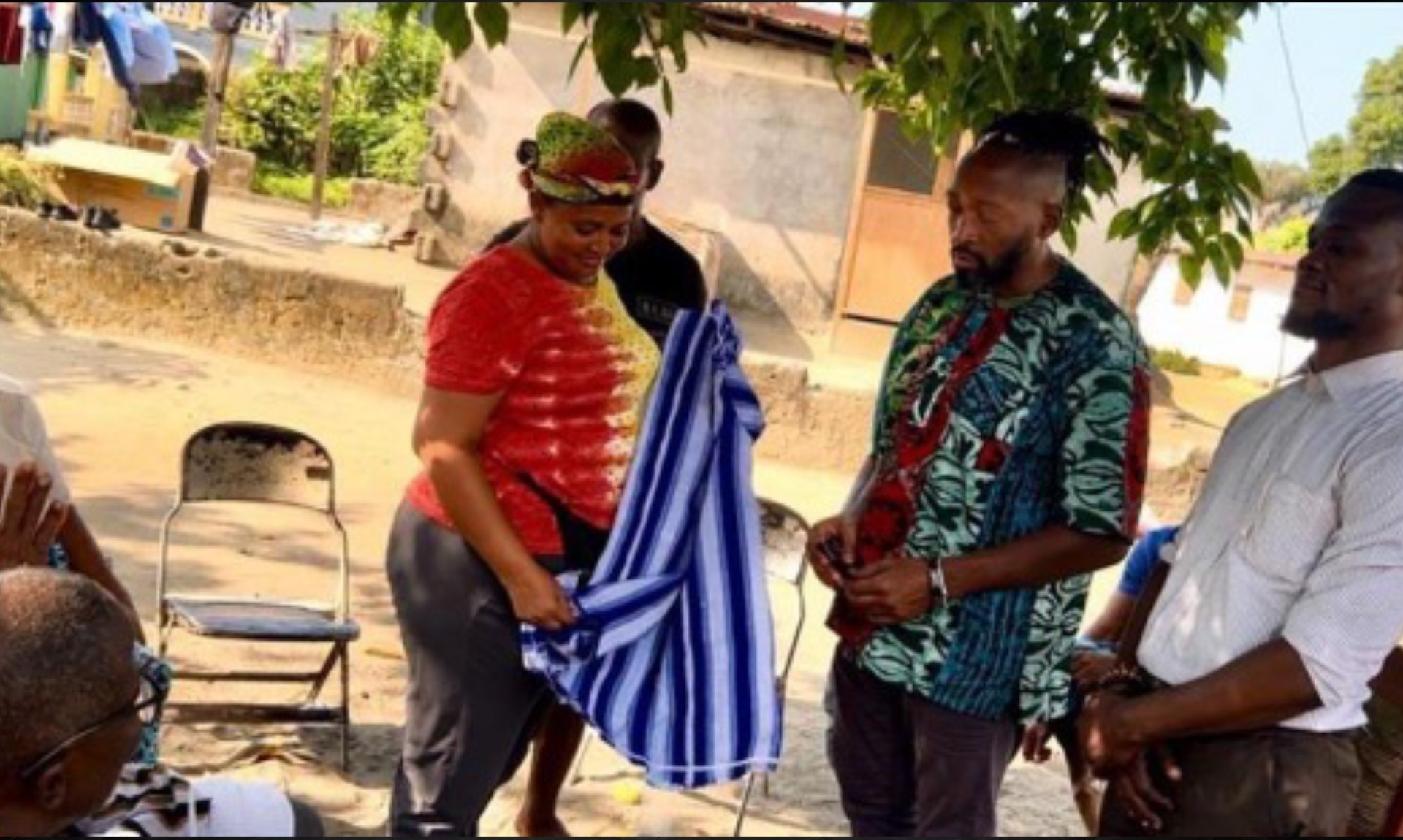
The Dismantling of Black Studies
Summary: In this urgent reflection, Jafari Sinclaire Allen examines the coordinated attacks on Black Studies, academic freedom, higher education, and democracy in the United States. The article argues that what is being dismantled is not only a field of study, but the right to know, the right to make knowledge, and the right to tell the truth.
Everyone committed to democracy, intellectual freedom, and the rule of law should be paying attention to what is happening to Black Studies. Allen writes that recent attacks on higher education are not evenly distributed. Black Studies, he argues, has become one of the clearest targets because it reveals what is truly at stake: truth-telling, democratic participation, and the survival of hard-won intellectual infrastructure.
Black Studies Under Fire
Allen describes a climate of fear across the academy among students, staff, faculty, university publishers, and cultural-institution workers. Yet he emphasizes that Black Studies has faced some of the most deliberate and structural attacks.
He points to recent examples, including the dismantling or consolidation of departments, restrictions on Black Studies courses, cuts to research support, and the narrowing of pathways for future Black scholars. For Allen, these are not isolated administrative choices. They are part of a coordinated sequence of rhetorical, legal, and institutional pressure.
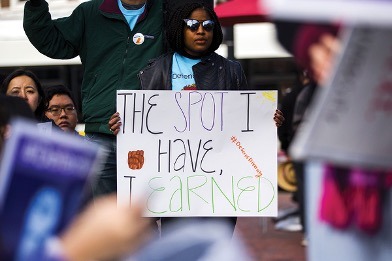
The Right to Know and Tell the Truth
The article situates the current assault within a longer American history. Allen connects today’s attacks to earlier efforts to restrict Black education, citizenship, and intellectual life. From laws that criminalized literacy among enslaved people to modern attempts to restrict how race and history are taught, the struggle has always involved control over knowledge.
Black Studies, in this framing, is not simply an academic department or curriculum category. It is a tradition of thought, resistance, memory, creativity, and democratic practice. It protects the right to ask difficult questions and to tell the truth about power, history, and human dignity.
A Long Black Intellectual Tradition
Allen reminds readers that Black intellectual life did not begin with university approval. It was built in churches, newspapers, art, music, literature, sacred texts, community institutions, and acts of resistance long before Black people were fully admitted into American educational institutions.
When Black Studies entered the academy, it carried that broader tradition with it. Student movements, campus strikes, and demands for autonomous Black Studies programs helped establish the field, but Allen also notes that universities often absorbed and reshaped those demands in ways that made the field dependent on administrative goodwill.

Why Visibility Brought Vulnerability
Black Studies has shaped scholarship, corrected historical narratives, expanded public debate, and given generations of students tools for participating in a multiracial democracy. Allen argues that this success is precisely why the field is now under attack.
After the murder of George Floyd and the global protests that followed, Black scholarship and anti-racist writing reached a new level of public visibility. Books by Black authors and scholars became widely read, discussed, and circulated. That visibility also triggered organized backlash.
The Legislative and Institutional Backlash
The article connects the attack on Black Studies to campaigns against critical race theory, restrictions on so-called “divisive concepts,” anti-DEI legislation, and court decisions affecting race-conscious admissions. Allen argues that these developments have made Black Studies vulnerable by falsely treating the field as a diversity concession rather than a rigorous scholarly discipline with its own authority.
He also warns that universities are not merely victims of outside pressure. In some cases, institutions are taking preemptive actions to comply with anticipated political attacks, including consolidating departments, canceling cultural celebrations, and reducing the visibility of programs connected to race, ethnicity, gender, and identity.
Black Studies Is the Pool
One of the article’s most striking metaphors comes through Allen’s reference to Heather McGhee’s discussion of public swimming pools being filled with cement rather than integrated. Allen applies that image to Black Studies, suggesting that some institutions would rather destroy the commons than share them.
In that sense, the dismantling of Black Studies harms more than Black scholars and students. It weakens the intellectual commons for everyone. When a society restricts what can be studied, taught, remembered, or debated, democracy itself becomes smaller.
Institution Building and Fragile Infrastructure
Allen also reflects on Manning Marable, who founded Columbia University’s Institute for Research in African American Studies in 1993. Marable understood that Black intellectual life deserved a permanent institutional home, not as a gift from the university, but as a demand made by Black people that their lives and thought be treated as central to inquiry.
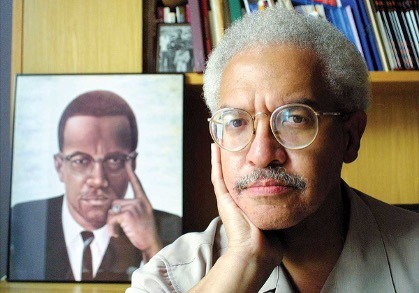
Allen writes from his own position as a professor at Columbia University and director of the Institute for Research in African American Studies. He describes the weight of inheriting hard-won infrastructure while also recognizing how fragile that infrastructure can be when institutions are placed under political and financial pressure.
A Warning and a Call to Act
The article closes with a warning that attacks on Black Studies are connected to broader efforts involving book bans, voting restrictions, suppression of immigrant and LGBTQ+ rights, and the weakening of academic freedom. These choices send a message that belonging is conditional and can be revised whenever the political climate shifts.
Allen’s central question is not whether the history is clear. The question is whether people will act before the arc of that history breaks. For readers of Urban Missiology, the article offers a powerful reminder that knowledge, memory, and truth-telling are not side issues. They are central to justice, public life, and faithful witness.
Frequently Asked Questions
What is “The Dismantling of Black Studies” about?
“The Dismantling of Black Studies” is about the coordinated attacks on Black Studies programs, academic freedom, and higher education in the United States.
Who wrote the article?
The article was written by Jafari Sinclaire Allen, a professor at Columbia University and director of the Institute for Research in African American Studies.
Why does the article say Black Studies is under attack?
The article argues that Black Studies is being targeted through legislation, university restructuring, anti-DEI efforts, restrictions on curriculum, and broader political efforts to limit how race, history, and power are taught.
How does the article connect Black Studies to democracy?
The article connects Black Studies to democracy by arguing that the field protects the right to know, the right to produce knowledge, and the right to tell the truth about history and society.
Why does the article mention Manning Marable?
Manning Marable is mentioned because he founded Columbia University’s Institute for Research in African American Studies, representing the long work of building Black Studies infrastructure inside the academy.
Why is this article relevant to Urban Missiology?
The article is relevant because it addresses Black intellectual life, public education, justice, democracy, and the moral responsibility to defend truth-telling in public institutions.
Source: Jafari Sinclaire Allen, “The Dismantling of Black Studies,” The Nation.




news via inbox
Don’t miss a moment—subscribe now and be the first to know when new stories drop.