Poll Shows Young Black Men Are Frustrated, Not Disengaged, from Politics
Summary: A new poll suggests that young Black men are not politically absent, but politically misread. Many still believe voting matters, yet they are increasingly frustrated with political parties, campaign messaging, and the lack of visible progress on economic opportunity, housing, wages, safety, and long-term stability.
For years, Black men have often been reduced to political talking points during election cycles. Democrats assume they will show up. Republicans believe they can pull them away. But a new poll from Black Men Vote, conducted by HIT Strategies, points to a more layered reality among Black male voters ages 18 to 45.
Frustrated, But Still Paying Attention
The poll examined Black male voters in six key states: Michigan, Georgia, Pennsylvania, North Carolina, Mississippi, and South Carolina. The findings challenge the common assumption that younger Black men are simply disengaged from politics.
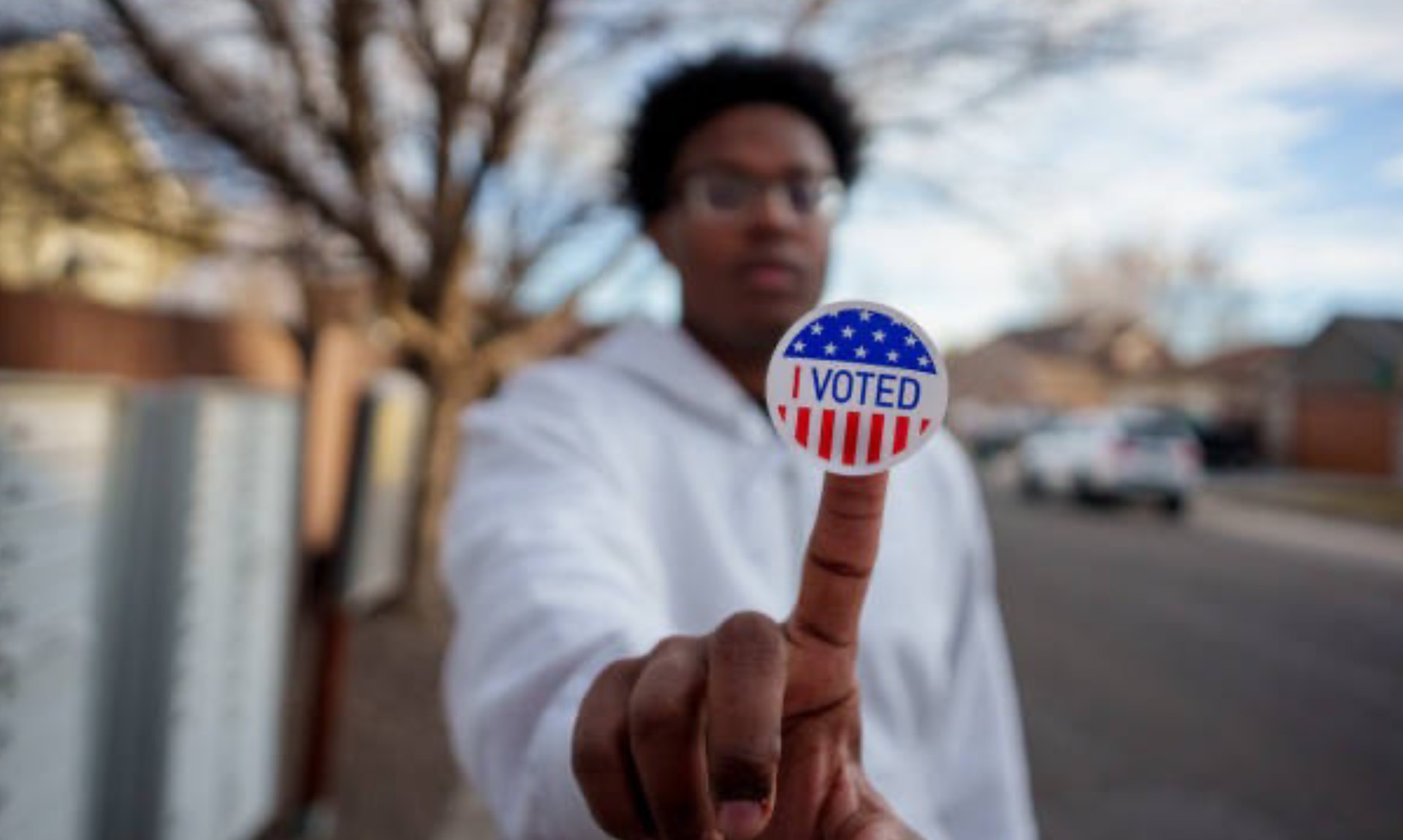
Most respondents still believe in voting. According to the article, 92% said voting is important, and 74% said they are likely to vote in the 2026 midterm elections. Yet more than one in four respondents said they are uncertain or unlikely to participate.
That tension matters. Many younger Black men still value civic participation, but they are not convinced that voting alone has materially improved their everyday lives, especially when it comes to wages, housing, economic opportunity, and long-term stability.
The Difference Between Apathy and Frustration
The article makes an important distinction: hesitation should not automatically be interpreted as apathy. Instead, the poll suggests that many younger Black men feel disconnected from candidates, political parties, and the belief that the political process has produced meaningful economic change in their communities.
These frustrations are connected to lived experiences, including rising housing costs, stagnant wages, limited access to capital, underemployment, and uneven investment in Black communities.
Black Men Are Not a Monolith
The poll found that while a majority of respondents still identify as Democrats, roughly 20% identify as Independents and another 20% identify as Republicans. Even so, researchers caution that traditional partisan labels do not fully capture how younger Black men see themselves politically.
Michael Bland, executive director of Black Men Vote, summarized the issue clearly: Black men are not politically absent; they are politically misread.
The article notes that many respondents remain broadly left-of-center politically, even while expressing skepticism toward both parties. Among conservative-leaning respondents, the largest ideological identity measured was “family values conservative,” not MAGA Republican.
An Activation Challenge for 2026
The findings are especially important in battleground states such as Michigan and Pennsylvania, where elections are often decided by narrow margins. If younger Black men sit out elections because they believe politics will not improve their quality of life, the impact could be significant.
For Democrats, the article frames the issue as an activation challenge as much as a persuasion challenge. The task is not only convincing Black men who to vote for, but rebuilding trust among voters who do not feel consistently prioritized after elections end.
What Young Black Men Want From Politics
Many young Black men are looking for policies tied directly to economic mobility, entrepreneurship, affordable housing, safer neighborhoods, and pathways to wealth creation. Symbolic representation and campaign rhetoric still matter, but this voter bloc is increasingly measuring political success by tangible outcomes.
The message is straightforward: outreach cannot only happen during election season. Political leaders must demonstrate accountability, follow-through, and a serious commitment to the concerns shaping everyday life in Black communities.
Digital Media and Political Communication
The study also examined how younger Black men consume news and political information. Half of respondents described themselves as active news consumers, while 44% said they primarily encounter news through social media feeds and digital platforms. Only 6% said they avoid news entirely.
YouTube emerged as a major source of political and cultural information, with 90% of respondents saying they use the platform multiple times a week. Many turn to it for political commentary, breaking news, and public discourse.
This reinforces how much political communication has shifted. Civic engagement now competes with entertainment, sports, podcasts, music, gaming, memes, and influencer culture in the same digital spaces. Traditional political messaging often struggles when it feels overly scripted, transactional, or disconnected from culture.
A Wake-Up Call for Both Parties
The poll identified six distinct groups among younger Black male voters, ranging from highly engaged Democratic-aligned voters to politically alienated but civically active men and disengaged voters with low participation likelihood.
Together, the findings make clear that Black men are not a monolithic voting bloc. They cannot be approached through one generic political strategy. They are still paying attention, still valuing civic participation, and still asking whether politics can deliver results that match their lived realities.
For both political parties, the data should be treated as a wake-up call. Leaders can respond with serious accountability and better engagement, or they can continue relying on assumptions. The upcoming elections will show how seriously young Black men’s concerns are being taken by the politicians who need their votes.
Frequently Asked Questions
What is this article about?
This article is about a poll showing that young Black men are frustrated with politics but not disengaged. Many still value voting, but they want political leaders to address economic and community concerns more directly.
Are young Black men disengaged from politics?
No. The article argues that young Black men are not disengaged. Many are skeptical and frustrated, but they are still paying attention and still see voting as important.
What did the poll find about voting?
The poll found that 92% of respondents said voting is important, while 74% said they are likely to vote in the 2026 midterm elections. However, more than one in four respondents said they are uncertain or unlikely to participate.
What issues matter most to young Black male voters?
The article highlights wages, housing, underemployment, access to capital, entrepreneurship, safer neighborhoods, economic mobility, and wealth creation as major concerns.
Why does this matter for elections?
Young Black men could play a decisive role in battleground states where elections are won by narrow margins. If they feel ignored or disconnected, turnout could be affected.
How are young Black men getting political information?
Many young Black men consume political information through social media, digital platforms, and YouTube, which has become a major source for commentary, news, and public discourse.
Source: Jeremy Allen, “Poll Shows Young Black Men Are Frustrated, Not Disengaged, from Politics.”







news via inbox
Don’t miss a moment—subscribe now and be the first to know when new stories drop.