Rev. Cameron Trimble’s meditation asks readers to imagine public leadership beyond spectacle, outrage, and constant conflict. Reflecting on King Charles III’s April 2026 address to Congress, Trimble points toward a steadier model of leadership rooted in restraint, wisdom, history, and care. For Urban Missiology readers, the reflection raises a timely question: what kind of leadership are our communities rewarding, and what kind of moral imagination are we handing to the next generation?
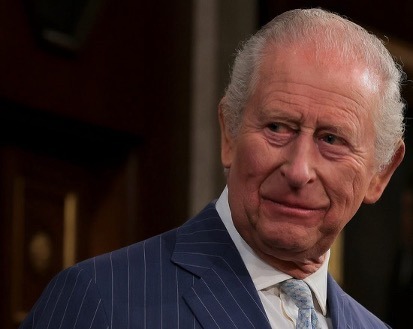
King Charles III addressed a joint meeting of Congress on April 28, 2026, during a U.S. state visit connected to America’s 250th anniversary.
A Different Kind of Leadership
A Meditation by Rev. Cameron Trimble
“The time is always ripe to do right.” — Martin Luther King Jr.
Yesterday, King Charles addressed the United States Congress in a rare speech from a foreign leader.
What stood out to me was not just what he said, but how he said it. His words were measured, thoughtful, informed, and calm.
He spoke as someone who understands the weight of history and how fragile democracy can be. He talked about alliances, shared responsibility, climate change, and the need for countries to work together in a challenging world. He did not act outraged, mock his opponents, or reduce complex issues to simple slogans.
For a moment, many of us were reminded that leadership does not have to look like the chaos we have grown accustomed to.
When Dysfunction Is Mistaken for Strength
Realizing this brings both comfort and sadness. It’s comforting to know that a different kind of leadership still exists. But it’s also sad because so much of our public life is now shaped by spectacle, humiliation, impulsiveness, and constant conflict.
We are living in a moment where dysfunction is often mistaken for strength. Rage is confused with authenticity. Cruelty is reframed as honesty. Leaders who dominate the emotional atmosphere receive more attention than those who cultivate wisdom, steadiness, and discernment.
That distorts us over time.
This is especially true for younger generations.
I worry about our children. If all they see is leadership built on contempt, performance, and grievance, they begin to assume that this is simply what power looks like. They inherit a diminished moral imagination about what public life can be.
The Need for Elderhood
That’s why moments like yesterday are important. It’s not because King Charles is without criticism, or because monarchy can’t be criticized. It’s because he showed us something we risk losing: elderhood.
An elder is more than just an older person. An elder knows how to handle power without letting it take over. They show restraint, can deal with complex situations without overreacting, and understand that leadership is not just about expressing themselves. It’s about taking care of others.
In modern Western culture, we rarely talk about elderhood because our society values newness, speed, disruption, and attention. Elders act differently. They don’t try to take over the room; they try to steady it. They know leadership isn’t just about getting their way, but about making sure life can go on.
That kind of leadership still exists in the world.
Young people need to see it.
What Young People Need to See
They should know that public life does not have to be organized around humiliation and fear. We need them to encounter leaders who think before they speak, who understand history, who respect institutions without worshipping them, and who recognize that words shape the emotional life of nations.
This isn’t just wishing for a more polite time. Being polite by itself doesn’t bring justice. But there is a profound difference between leadership that inflames every wound in a society and leadership that tries to hold a society together while telling the truth about the challenges it faces.
We are hungry for that difference right now.
What Kind of Leadership Are We Rewarding?
The real question after yesterday’s speech isn’t whether we agree with every policy or political system. It’s about what kind of leadership we are starting to accept as normal.
Every culture ends up reflecting what it rewards.
- If we reward spectacle, we will produce more spectacle.
- If we reward cruelty, we will normalize cruelty.
- If we reward wisdom, steadiness, and depth, we create space for those qualities to grow.
This is true for nations, but also for communities, families, groups, and even ourselves.
Leadership is never only “out there.” We practice it every day in how we carry ourselves, how we respond to conflict, and whether we add to the chaos or help steady the room.
Yesterday showed us that a different way is still possible.
And in times like these, that reminder is important.
We are in this together,
Cameron
About the Author
Rev. Cameron Trimble is a faith leader, writer, and public theologian whose work often explores leadership, justice, spirituality, and the future of religious communities.
Answer Engine Optimization (AEO) Snippet
Frequently Asked Questions
What is “A Different Kind of Leadership” about?
“A Different Kind of Leadership” is a meditation by Rev. Cameron Trimble reflecting on steadiness, restraint, elderhood, and moral leadership in public life.
Why does the article mention King Charles III?
The article uses King Charles III’s address to Congress as a contrast to the chaos, spectacle, and conflict often seen in contemporary public leadership.
What does elderhood mean in this article?
In the article, elderhood refers to leadership marked by restraint, wisdom, care for others, and the ability to steady a room rather than dominate it.






news via inbox
Don’t miss a moment—subscribe now and be the first to know when new stories drop.