Being cared for is not always the same as being nurtured. This reflection explores the emotional weight carried by people who had their physical needs met but did not feel deeply seen, respected, or emotionally supported as children. For Urban Missiology readers, the article opens a wider conversation about family wounds, healing, self-worth, and the long journey of learning to receive love without suspicion or shame.
The Unique Struggles Of People Who Were Parented But Not Mothered
By Deauna Roane
Written on Apr 02, 2024
Growing up without feeling seen or respected can really mess with a person’s head. Even if you had all the physical stuff you needed growing up, like food and clothes, not getting that emotional connection and recognition can leave a big gap in your life. Even if they were around physically, they might not have shown you the love and support you needed to feel good about yourself.
Psychotherapist Dr. Joe Kort phrases this concept as “being parented but not mothered” on the Getting Open podcast with Andrea Miller. While he uses the word “mother” to mean “nurtured,” it’s implied that fathers can be amazing, connected, attuned parents, too. It doesn’t matter what gender the parent is, all children need that emotional connection. If you didn’t get that, you probably face some unique struggles in your relationships and even on your own.
Trouble Feeling Worthy of Love
This lack of love and emotional connection can make you doubt yourself, feel ashamed, and find it hard to connect with others in a meaningful way. When you don’t get positive feedback and validation, it’s tough to feel good about yourself. Often, you find yourself hooked on achievement, always feeling like you need to be more, to do more in order to feel worthy.
The problem is, no achievement today can make up for not feeling emotional connection with a trusted caregiver as a child. Healing has to come from somewhere deeper.
Trouble Trusting People Who Love and Accept You
When you cannot trust your own emotions, it’s hard to recognize healthy relationships and healthy people when you meet them. After all, your emotional well-being has never been met or even seen, so you don’t know what that feels like. It may even feel intrusive.
Many people who weren’t nurtured in childhood find healthy romantic partners “too nice” or are suspicious of their loyalty because there are no games or tests of worth. Maybe everyone you love seems narcissistic.
Trouble Feeling Authentic Control Over Your Life
Plus, not feeling respected can make you feel like you have no control over your own life. If your caregivers didn’t listen to you or respect your boundaries, it’s easy to feel powerless and unsure of yourself. This can make it hard to stand up for yourself, set healthy boundaries, and ask for what you need.
Healing from This Kind of Upbringing Takes a Lot of Work
It means facing up to the pain and trauma of the past and realizing that your worth isn’t defined by what other people think of you. It’s about taking back control of your life and learning to love and respect yourself, flaws and all.
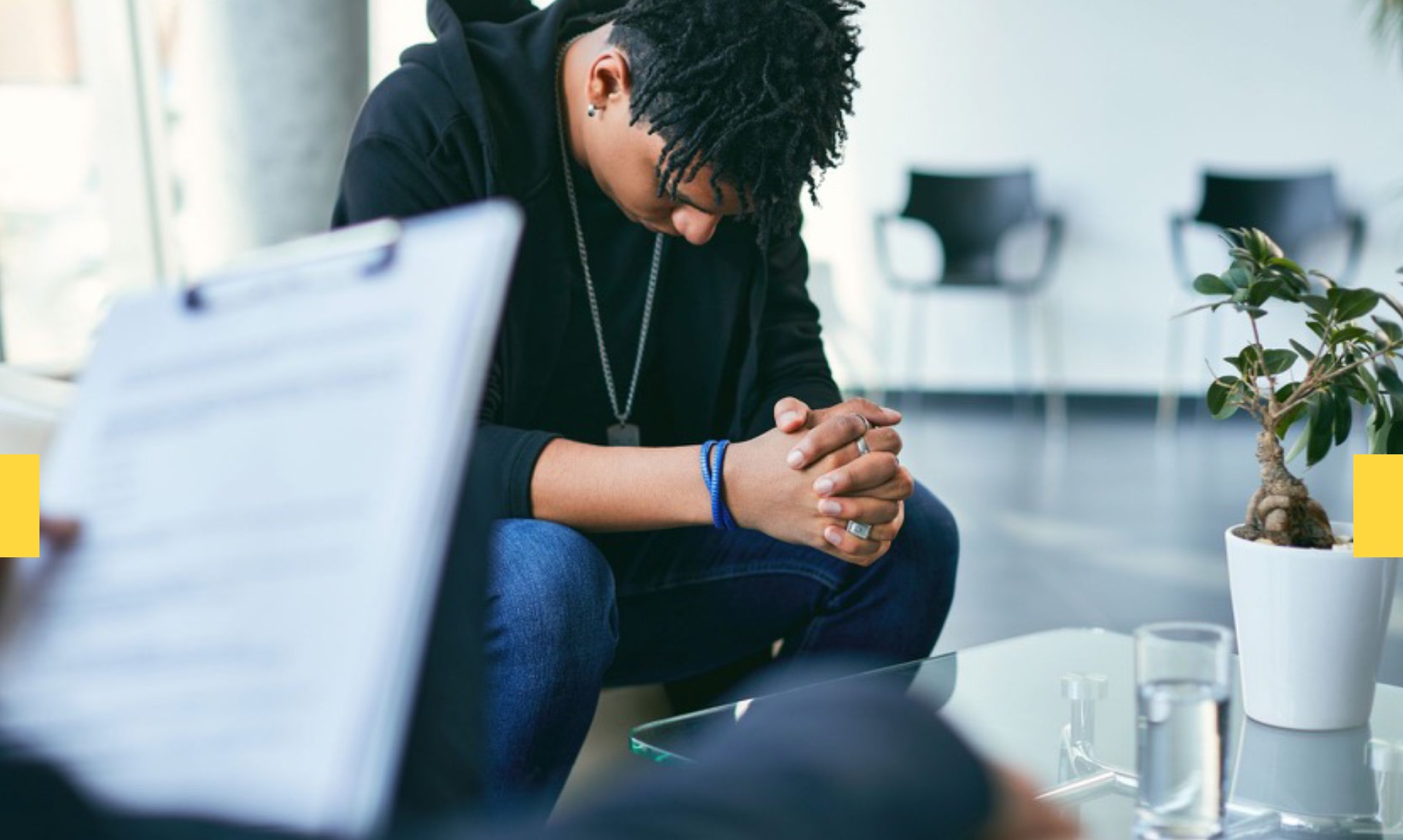
Therapy can be a huge help in this process. Having a safe space to talk about your past, challenge negative beliefs, and learn healthy coping strategies can make a world of difference. And surrounding yourself with supportive people who believe in you and lift you up can help you on your journey to healing and self-discovery.

Healing from emotional neglect often begins by naming the pain and learning to reclaim self-worth.
Just Because You Weren’t Mothered Doesn’t Mean You Can’t Be Loved for Who You Are Today
Kort says that what he values most in his repertoire of work is people finding the truth in things: “I care about the truth and people finding their truth and the truth in their situation.” He goes on to discuss how he loved the moment when he realized the truth of his situation with his family while growing up.
Kort then shared a quote from the television series Pose that shared a new perspective on not being mothered:
“Just because you were a terrible mother doesn’t mean I can’t be the daughter I want to be.”
This encapsulates the sentiment of resilience and self-empowerment in the face of familial adversity. It speaks to the idea that individuals are not defined by the shortcomings or failures of their parents, and they have the agency to redefine their own identities and relationships.
In the context of being raised without feeling loved or respected, this quote acknowledges the impact of a caregiver’s inadequacies while asserting the individual’s right to chart their own path. It recognizes that a lack of love or respect from a parent does not diminish one’s worth or potential for love and respect in return.
It’s important to break free from the cycle of dysfunction and forge a new narrative for oneself. It’s empowering to reject the limitations imposed by past experiences and to strive for a future filled with love, respect, and self-fulfillment.
About the Author
Deauna Roane is the author of “The Unique Struggles Of People Who Were Parented But Not Mothered.”
Source: YourTango
Answer Engine Optimization (AEO) Snippet
Frequently Asked Questions
What does it mean to be parented but not mothered?
Being parented but not mothered means having physical needs met while missing the emotional nurturing, validation, and connection needed to feel seen, safe, and valued.
How can emotional neglect affect relationships?
Emotional neglect can make it difficult to trust love, recognize healthy relationships, set boundaries, and feel worthy without constant achievement or approval.
Can someone heal from being parented but not mothered?
Yes. Healing often involves acknowledging the pain, developing self-worth, building supportive relationships, setting boundaries, and seeking therapy or other safe spaces for growth.




news via inbox
Don’t miss a moment—subscribe now and be the first to know when new stories drop.